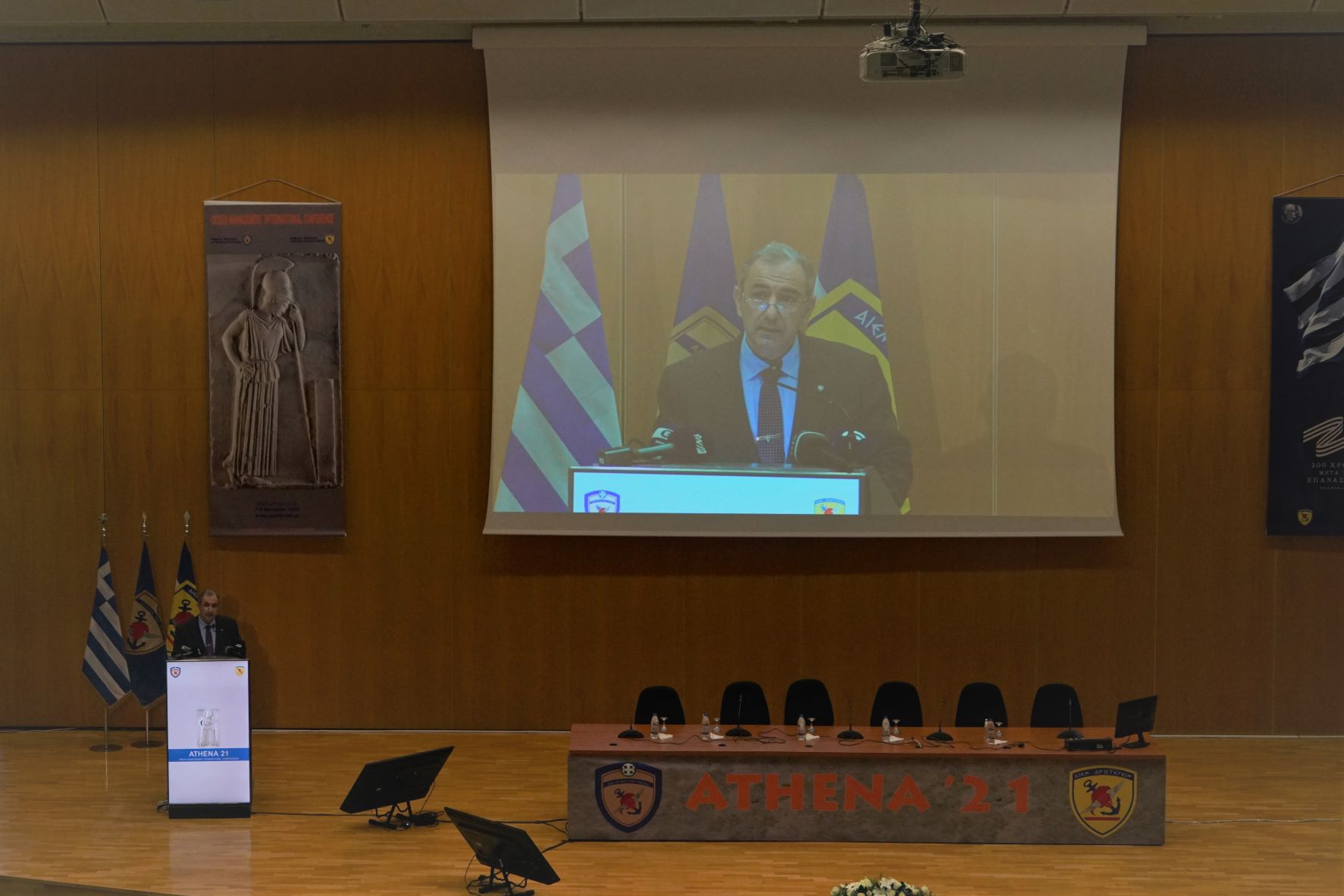
The proceedings of the International Crisis Management Conference “ATHENA-21”, entitled: “Threats and Challenges in the Unstable Geopolitical Environment of the Eastern Mediterranean, Holistic Approach Strategies for Dealing with Them”, which took place from 07 to 09 December 2021, at the Hellenic Air Force Academy in Tatoi, Athens, were successfully completed.
The International Crisis Management Conference “ATHENA” has been established to be held every two years by the Hellenic National Defence General Staff under the auspices of the MoD and is an international Forum for the exchange of views and constructive discussions on issues related to crisis management and international security.
It is also an important international event, contributing to the extroversion of Greece, the strengthening of the HNDGS and the MoD’s executives’ relations with the allies of Greece, as well as to the emergence of our country as a pillar of stability and security in the wider region of the Eastern Mediterranean.
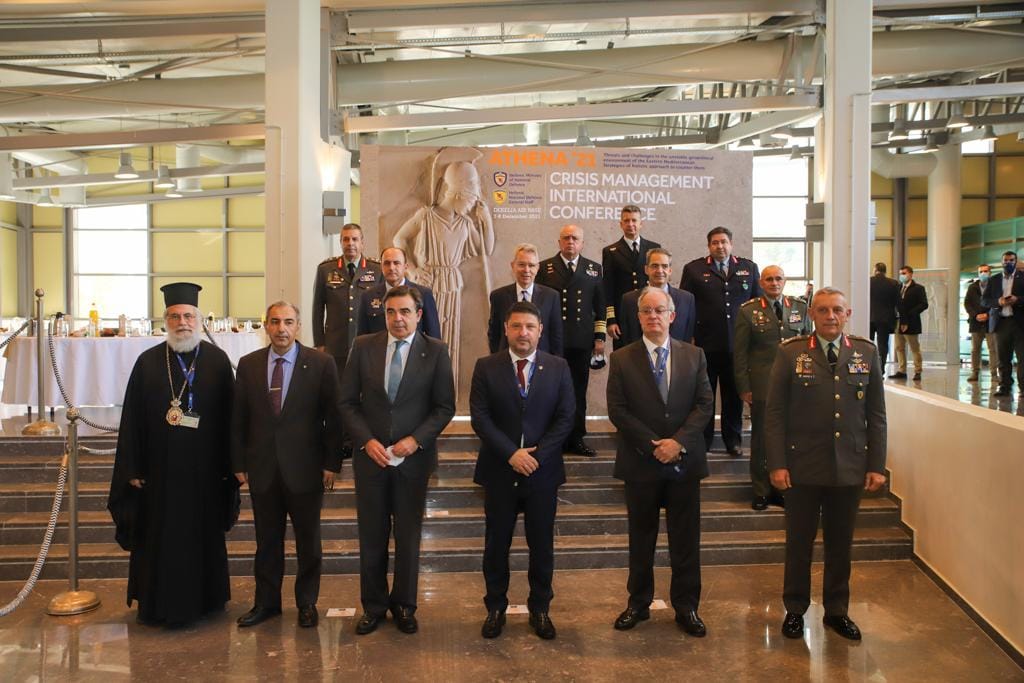
The Conference was attended by military and diplomatic representatives of States, International Organizations, Institutes of International Relations and Strategic Studies, officers of the three Branches of the Armed Forces, as well as senior executives of co-competent service bodies of the Greek Public Administration.
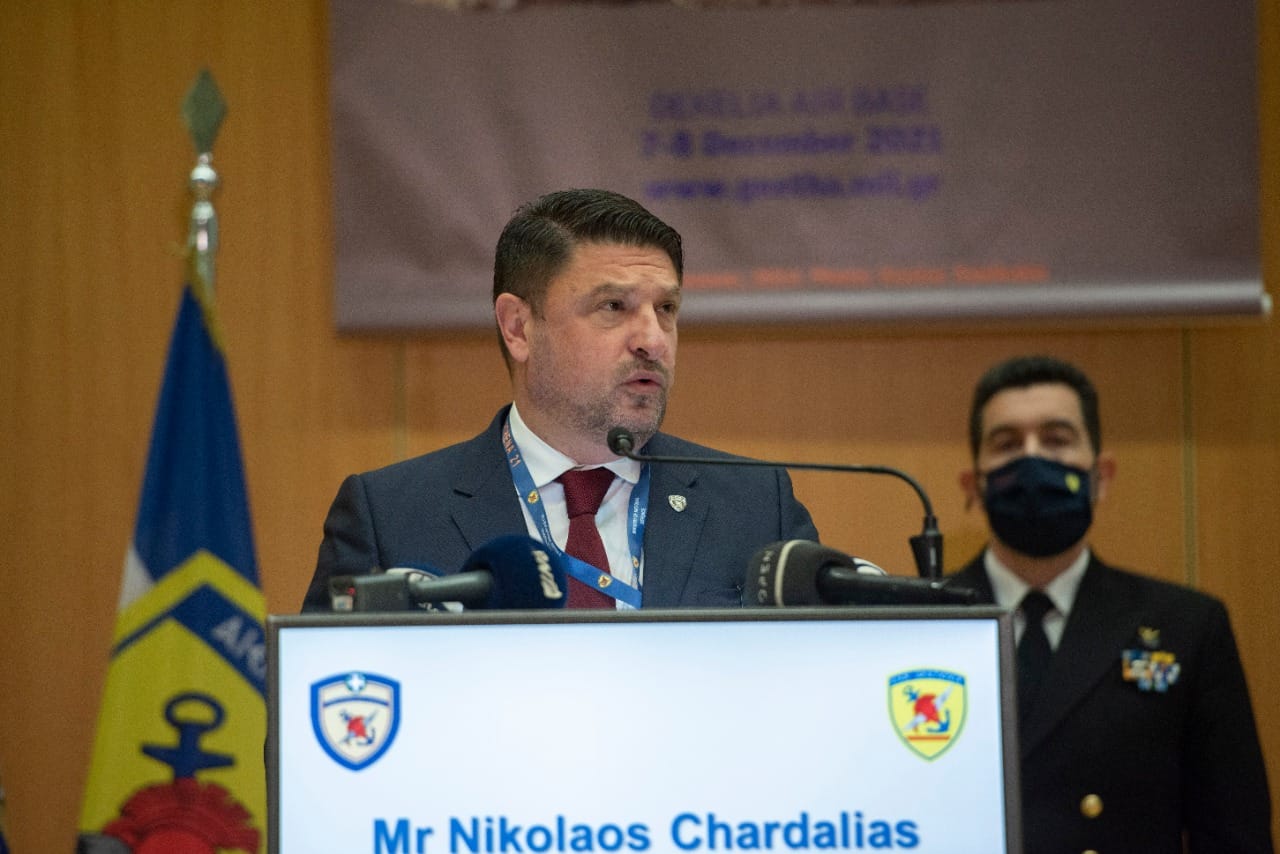
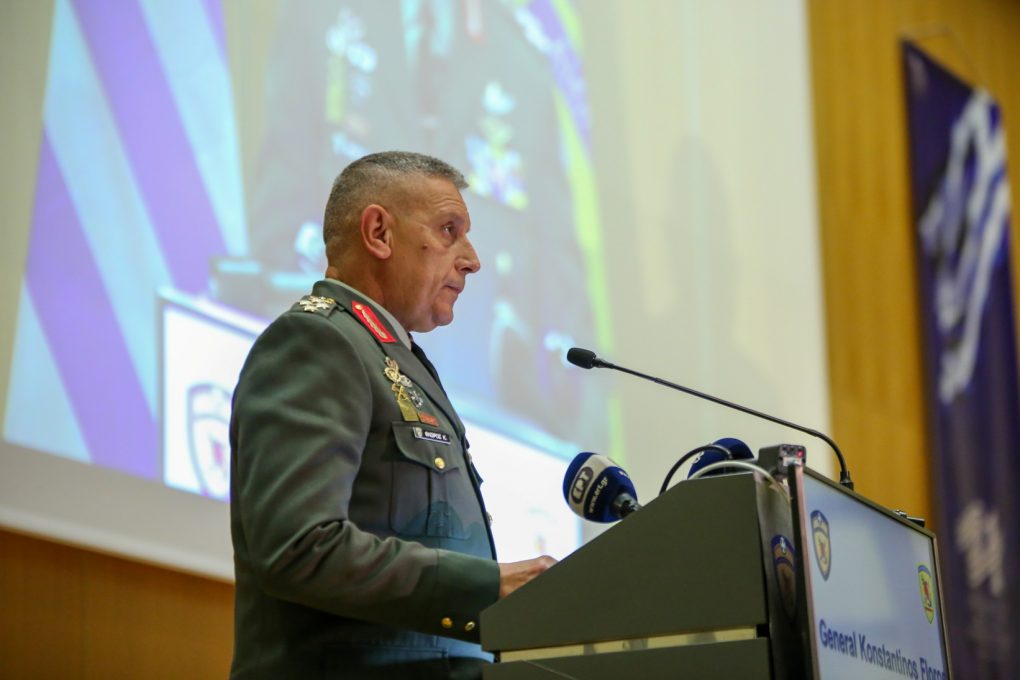
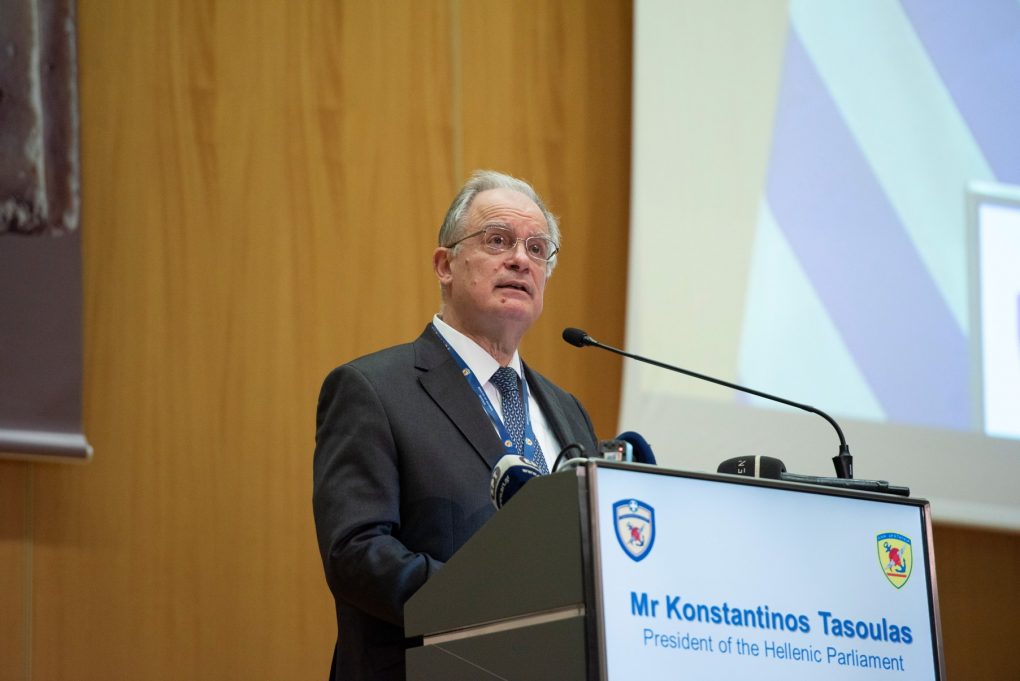
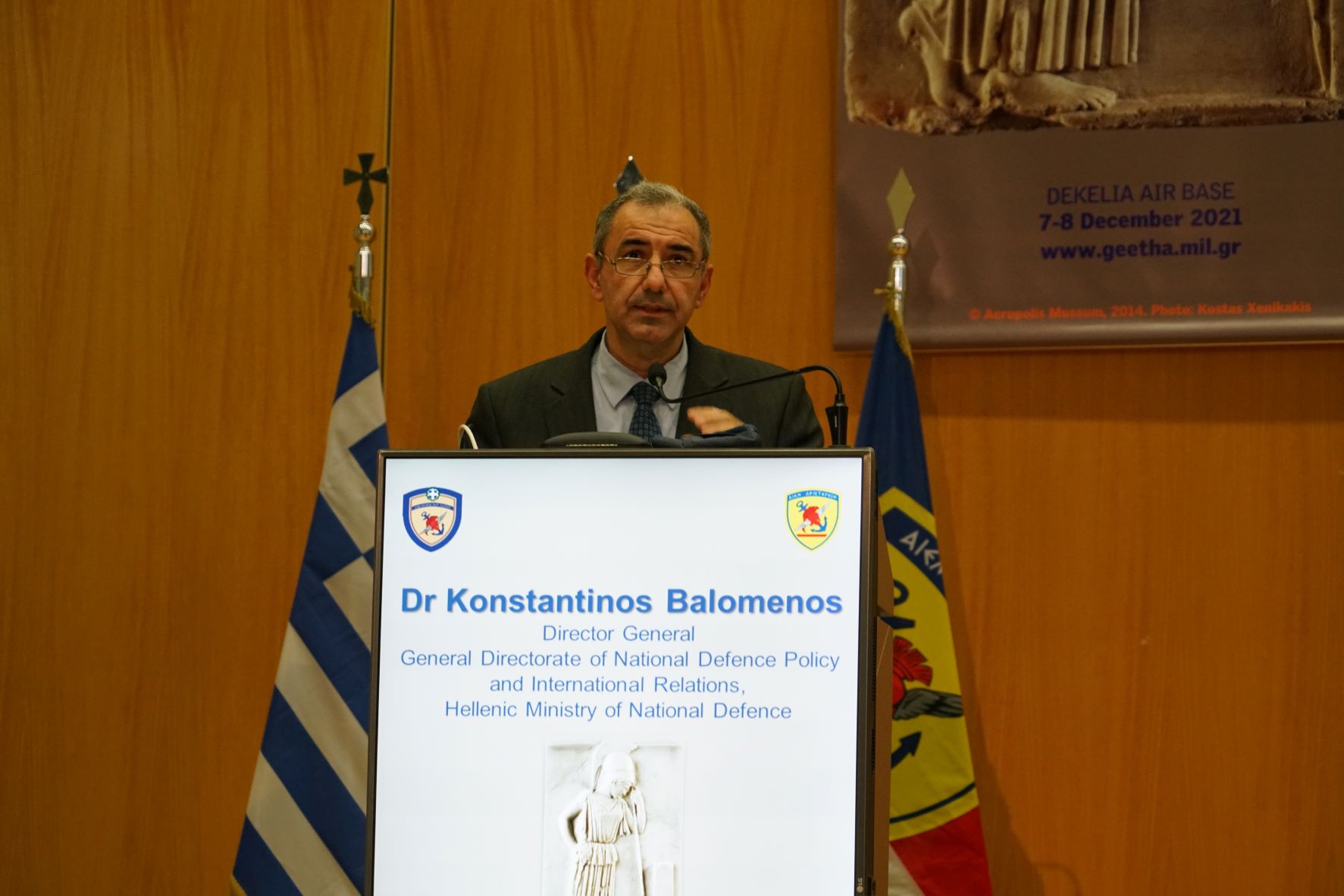
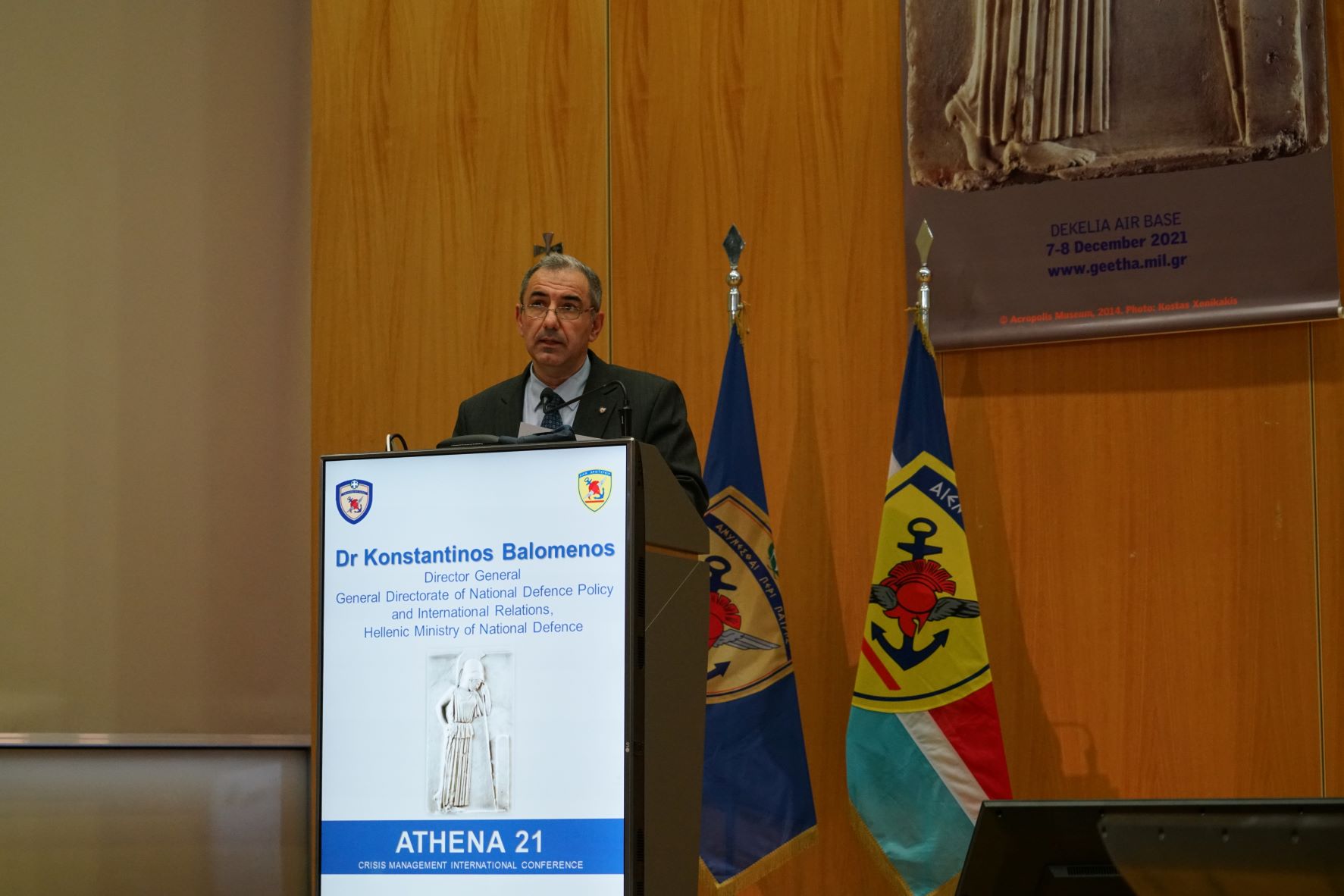
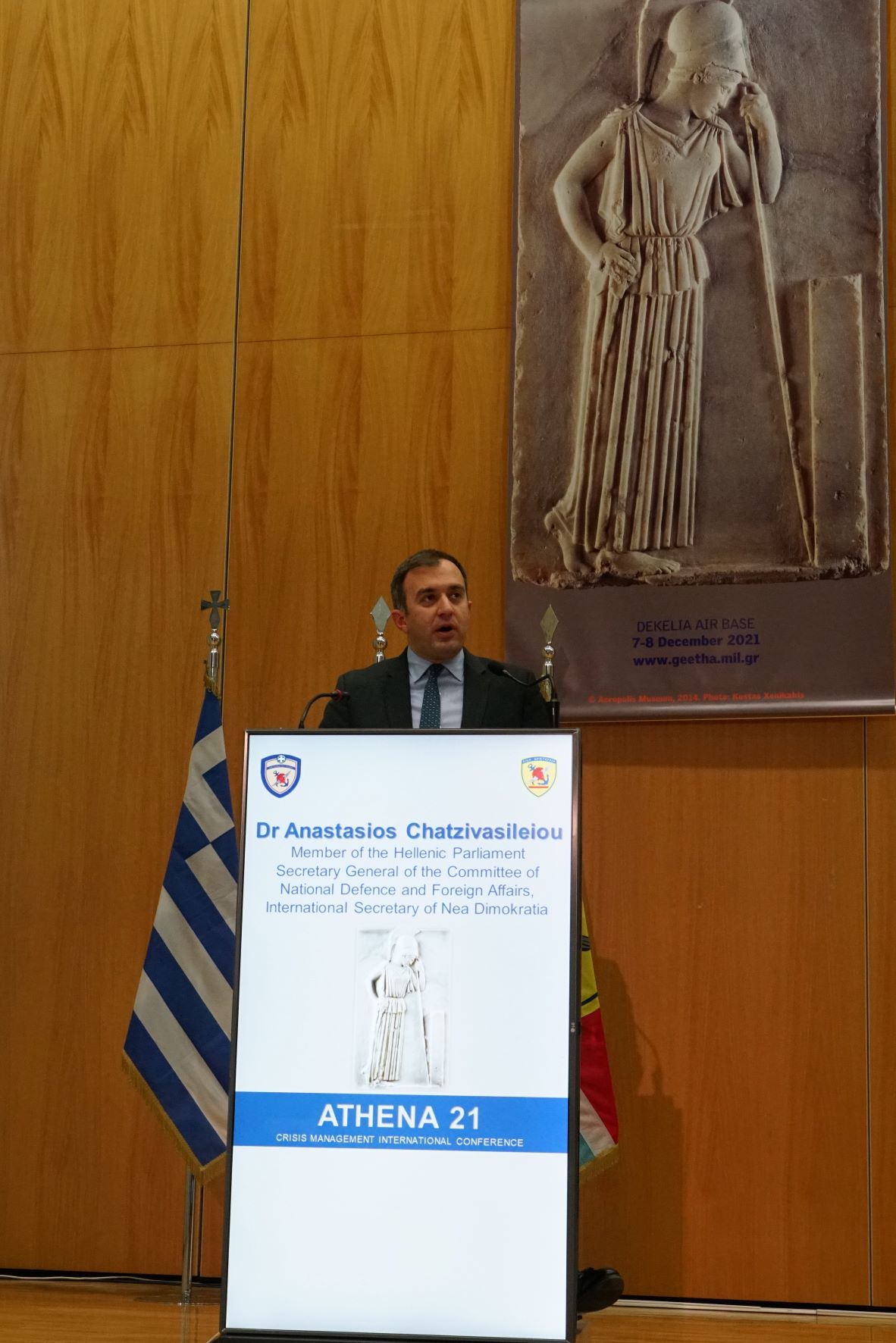
The Opening of the Conference was declared by the Deputy Minister of National Defence, Mr. Nikolaos Chardalias, while greetings were addressed by the President of the Hellenic Parliament, Mr. Konstantinos Tasoulas, the Chief of HNDGS General Konstantinos Floros and the General Director of the NDPIR, Dr. Konstantinos Balomenos.
During the conference, speeches and lectures by prominent personalities from the political, academic and diplomatic sectors, senior military officials of international organizations, experts as well as distinguished professionals of the private sector, both from Greece and abroad, were also presented.
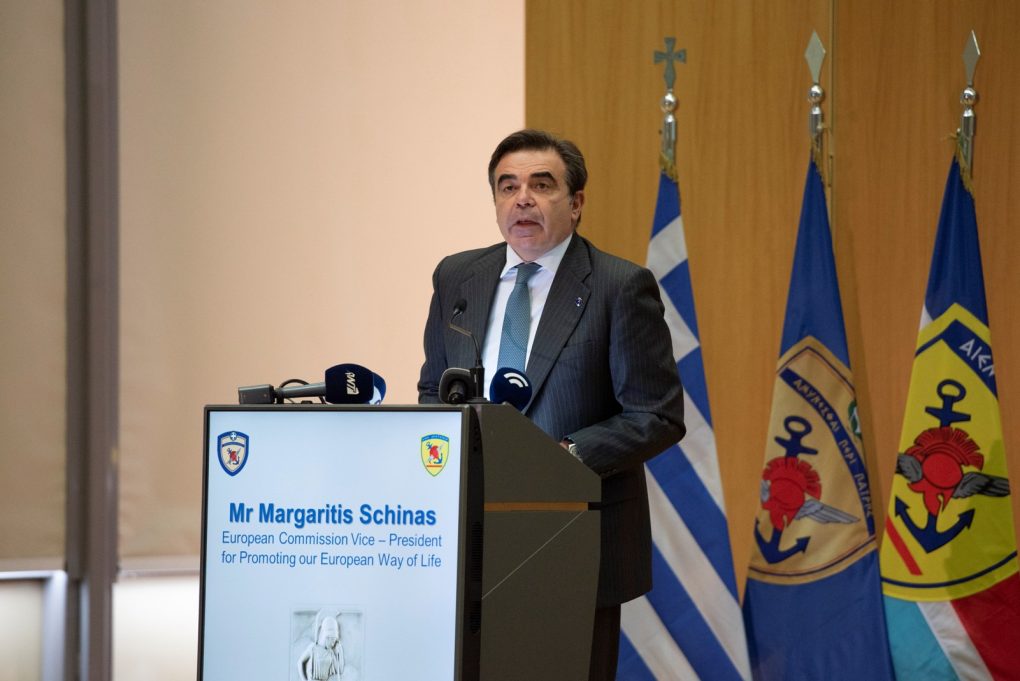
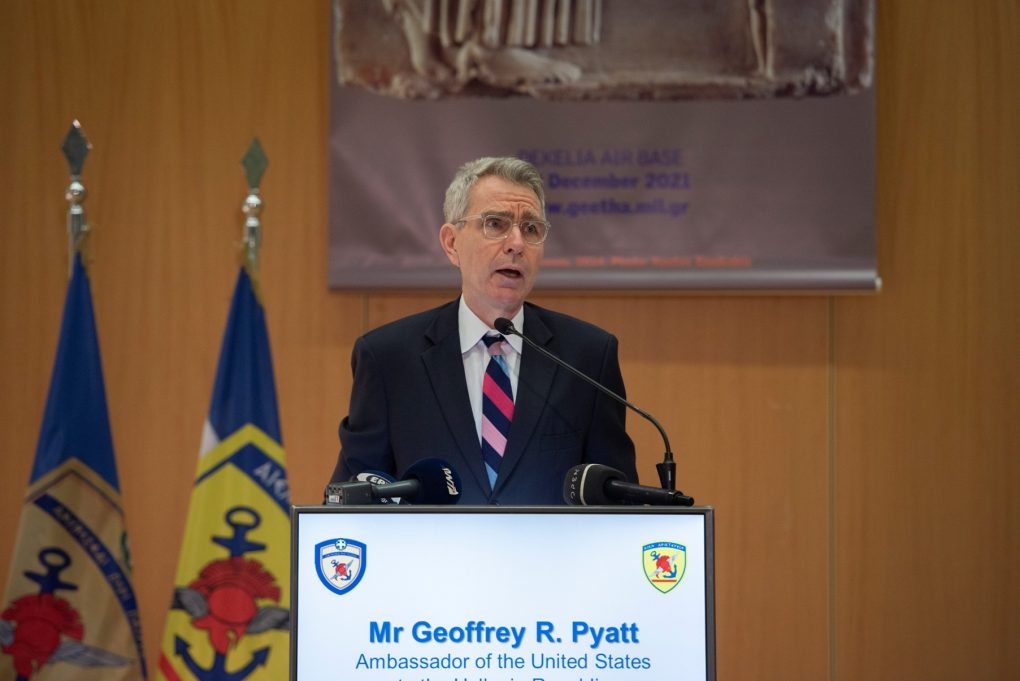
Keynote speakers of the Conference were the Vice-President of the European Commission, Mr. Margaritis Schinas, responsible for promoting the European way of life, as well as the U.S. Ambassador to Greece, Mr. Geoffrey Pyatt.
The aim of the Conference was to analyse contemporary challenges and threats to international security and peace, focusing on the wider geopolitical environment of the Eastern Mediterranean, as well as to present holistic strategies to address them.
In particular, issues of special interest were developed, such as the current geopolitical developments in the Balkans and the Eastern Mediterranean, the outline of hybrid threats in both the regional and international environment, the international competitions between the actors of the regional and international system.
More specifically, regional instability due to intense interstate competition for the security of energy resources, the current hotbeds of regional conflicts, internal frictions and instability of the eastern Mediterranean and Middle East states were examined.
In addition, extensive reference was made to the refugee-migration issue and its instrumentalization by troubled states of the international system, to the role of FRONTEX in safeguarding the borders, the defence and security policy of the European Union, climate change, as well as to the role that Greece is called to play in the wider environment of the Balkans and the Eastern Mediterranean.
The closing of the conference was held by the General Director of National Defence Policy and International Relations of the Ministry of National Defence, Dr. Konstantinos Balomenos who referred to the existing geostrategic situation prevailing in the wider region of the Eastern Mediterranean, identifying the hybrid challenges and threats that the international actors of the region are called to face and finally, presented an effective management mechanism, oriented to the perspective of the holistic approach.
In particular, the NDPIR General Director, Mr. Konstantinos Balomenos, stressed:
For Greece, the main priorities are to ensure its national integrity, ensure collective defence within the framework of NATO and the European Union and, finally, address the ever-increasing challenges and threats of the international system. In particular, special attention should be paid to:
• The changes in the global balance of power and the emerging dynamics that are developing in the geopolitical events of the South-East Asia and Pacific region.
• The changes that new technology will bring about in combination with the use of weapons of mass destruction by state and non-state actors.
• Regional problems such as state instability, energy antagonisms, terrorism, migration, organised crime, religious fanaticism, climate change, etc., which the European Union and the international community in general have to face.
Greece’s actions for the establishment of peace and stability in the wider Mediterranean region were also presented.
Extensive reference was made to Greece’s bilateral, trilateral and multilateral political and military cooperations with countries in the region who share the same security concerns and Greece’s contribution as a pillar of stability and peace was highlighted.
Turkey’s destabilising role in the wider Mediterranean and Caucasus region was also stressed.
Special reference was also made to the instrumentalization of the migration issue and the manipulations followed by countries, such as Turkey and Belarus, in order to exert political and diplomatic pressure on the countries of the European Union with the ultimate goal of securing their national objectives.
In the same context, extensive reference was made to hybrid challenges and threats and the need to develop a national and supranational resilience mechanism, through an integrated crisis management framework, based on timely risk analysis, assessment and management, as well as on the availability of material and intangible national and international resources.
It was also mentioned that the main objective of any resilient system must be to ensure its operation, even under extreme conditions, its timely reactivation in case of attack or interruption of its operation and finally, its immediate adaptability to the new data that will arise after the outbreak of a threat / crisis.
The need to develop a culture and a mechanism of holistic approach, which would use all national forces to meet national goals and aspirations, was thoroughly highlighted.
In addition, extensive reference was made to the causes of international terrorism, which now operates as a means of hybrid warfare, and a roadmap for tackling modern terrorism was presented. According to this charter, particular emphasis is placed on the field of prevention and transnational cooperation.
With regard to climate change and the security impacts it can bring, it has been found that there are a limited number of states that have developed appropriate policies and specialised planning, mainly due to a lack of sources and human resources.
For the implementation of actions related to a climate security framework, the following were proposed as actions to be taken by bilateral and multilateral alliances:
• The implementation of a holistic national and international strategy aiming at both climate resilience and peacekeeping.
• The inclusion of appropriate measures and actions for the protection of the environment in national planning and the gradual social transformation in order to integrate these plans and actions into national policies.
• The development of a multi-level crisis management mechanism that will respond to the coverage of the needs of multifaceted crises at local, national, regional and international level.
• Investing in education and skills development.
• The emergence of the role of climate security as a key ingredient in tackling the impacts of climate change.
In the area of energy security, the main conclusion drawn was it is imperative to broaden energy supply options, and in particular, to diversify the supply of sources, suppliers and energy routes.
Furthermore, the value of energy self-sufficiency was highlighted, through multiple and alternative energy sources, which will reduce costs, while particular reference was made to the criticality of energy distribution networks and their inter-connectivity, which require significant investments.
The conference was attended by the Chief of the Hellenic Air Force General Staff, Lieutenant General Georgios Blioumis, the Chief of the Hellenic Army General Staff, Lieutenant General Charalambos Lalousis, the Chief of the Hellenic Navy General Staff, Vice Admiral Stylianos Petrakis HN, and military and diplomatic representatives from 15 allied countries.
On the last day of the conference, the heads of delegations from Egypt, Brigadier General Abdel El Rahman Wahdan, the United Arab Emirates, Mr. Saif M.AI Shamsi, and Saudi Arabia, Major General Mohammed Salmah Al Balawi, honored the General Director of NDPIR, Dr. Konstantinos Balomenos with commemorative gifts expressing their appreciation for their honorary invitation to the conference and for promoting the cooperation in the field of crisis management.
The conference’s program also included cultural events, such as an official dinner at the Armed Forces Officers’ Club (LAED) and a visit to the Acropolis Museum by the members of the foreign delegations.