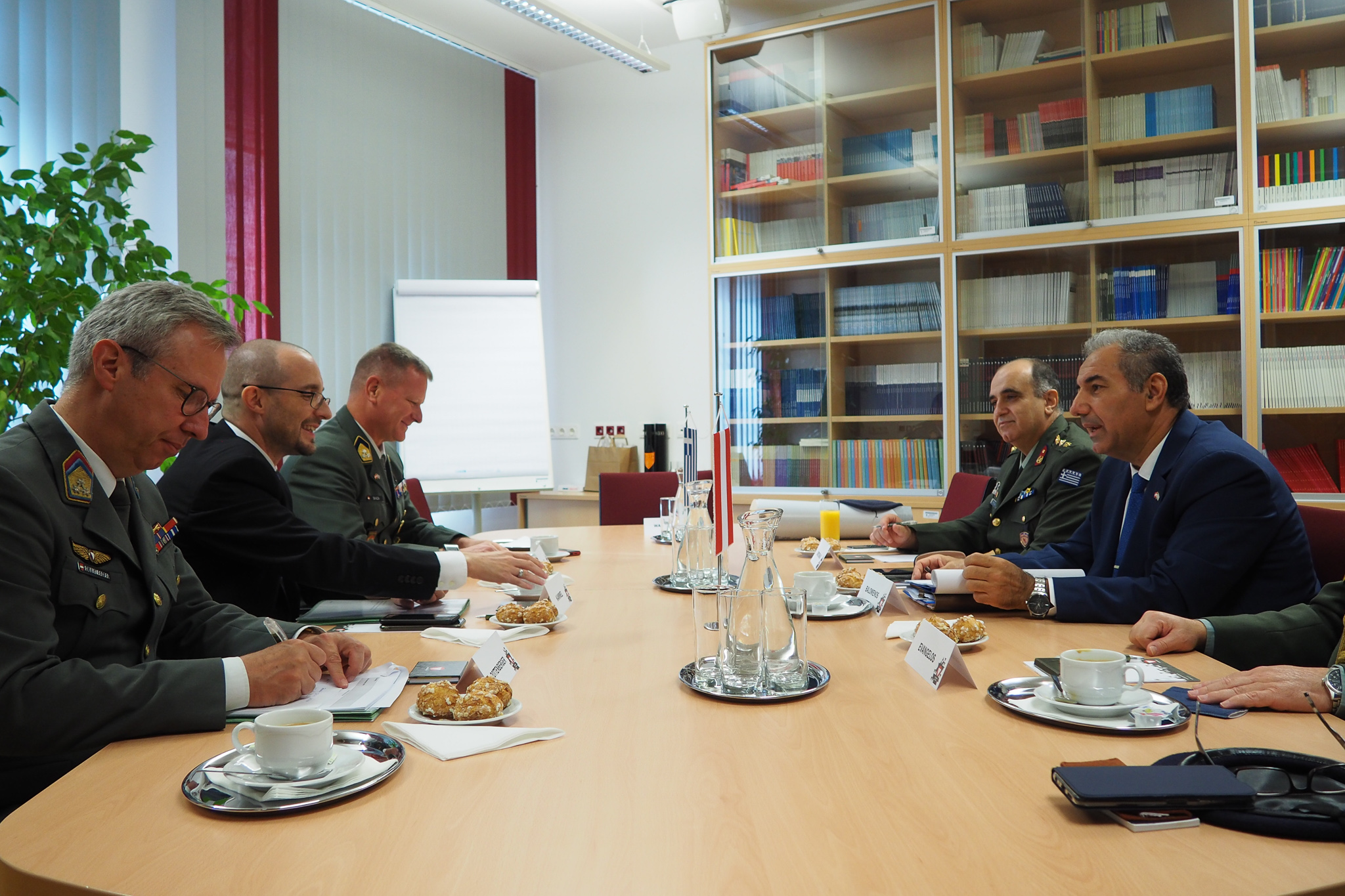
The General Directorate of National Defence Policy and International Relations, of the Ministry of National Defence, as part of its activities to strengthen bilateral defence relations between Greece and Austria, in cooperation with the respective General Directorate of the Ministry of Defence of Austria, on 29 and 30 September 2022, in Vienna, took another action to highlight the problem of the instrumentalisation of the migration-refugee issue.
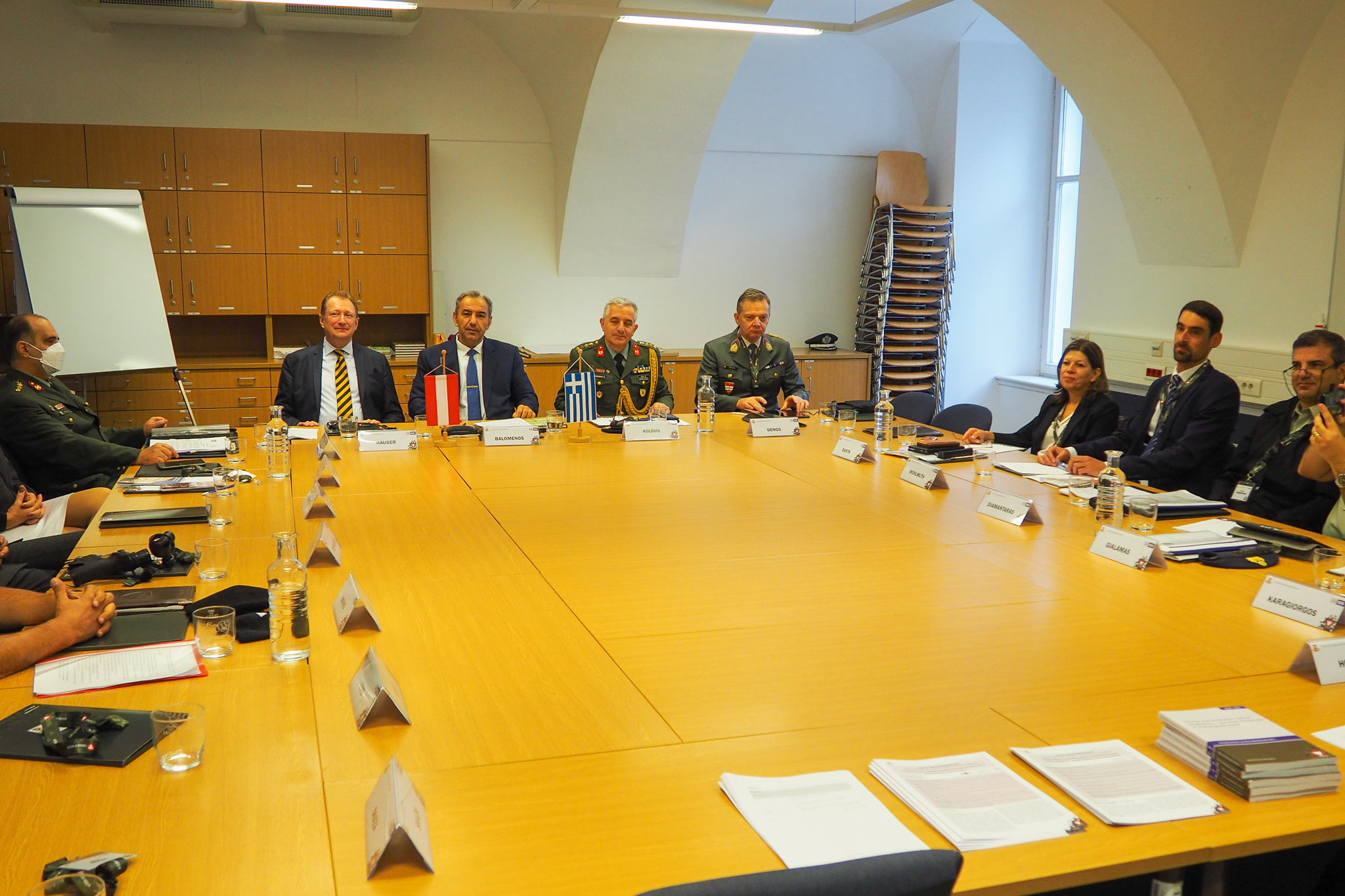
In particular, following the successful organisation of the 1st Experts’ workshop in Alexandroupolis last June, entitled: “Instrumentalisation of illegal migration in the framework of hybrid warfare. The role of the military”, the 2nd Workshop of Experts on the same topic was organised in Vienna on Thursday 29 September 2022, in order to analyse, among other things, the latest developments on the refugee issue (given the continuation of war in Ukraine) and to examine the whole issue in greater detail.
The workshop also examined the role of irregular migration in relation to border security, the phenomenon of instrumentalisation of illegal migration, the perception of the migration-refugee issue as a threat and/or a challenge to European internal and external security, as well as the role that the Armed Forces have to play in managing the social phenomenon, both in the present period and in the near future.
At the end of the 2nd Experts’ Workshop, the following conclusions were drawn:
• Inefficient management of migration-refugee flows is likely to pose a threat to the national integrity of a State, cause violent conflicts, generate economic instability and, in general, internal instability due to lack of social cohesion (demographic instability, religious minorities, etc.).
• The instrumentalisation of this phenomenon is undoubtedly a hybrid threat, and through it, a hybrid actor tries to exploit the vulnerabilities of an adversary target in order to manipulate public opinion and audience, undermine social cohesion and discoordinate the functioning of its State.
• State actors who are instrumentalising irregular migration are looking to damage the national security and defence of the target country.
• Non-state actors who often instrumentalise migration flows are terrorist organisations, extremist groups, but also non-governmental organisations (NGOs) with shadow roles and pursuits. There is uncertainty about whether behind non-state actors who instrumentalise irregular migration are actually acting state entities secretly.
• The massive influx of irregular migrants into any country in the European Union poses security risks for the whole of the Union.
• The collective action of the countries of the European Union to tackle irregular migration is hampered by the different perceptions of this risk that European states have.
• It is highlighted as extremely important, the need to find and allocate the necessary funds at European level to develop the necessary capabilities, to deal with and effectively manage potential migration flows.
• The Armed Forces will continue to play an active role in managing the migration-refugee issue because they have the capacity to manage large-scale movements of refugees requiring sufficient logistic infrastructure and equipment to prevent possible violence and chaos. Military personnel also have all the organisational and other capabilities that are often not compared to those of other government agencies, even of those that work directly with migrants.
• Effective response to the hybrid threat of migration-refugee flows requires a Command and Control Mechanism (C2) tailored to the needs of hybrid threats, using all the tools provided in this regard by modern technology. This mechanism must be able to adapt rapidly, depending on the needs of the operations and within a hybrid environment. A spirit of interoperability allowing for the interoperability and good cooperation of all mobilised forces (military and security forces) with different relevant actors of the State and society, acting politically or economically (holistic approach) should be taken as a given.
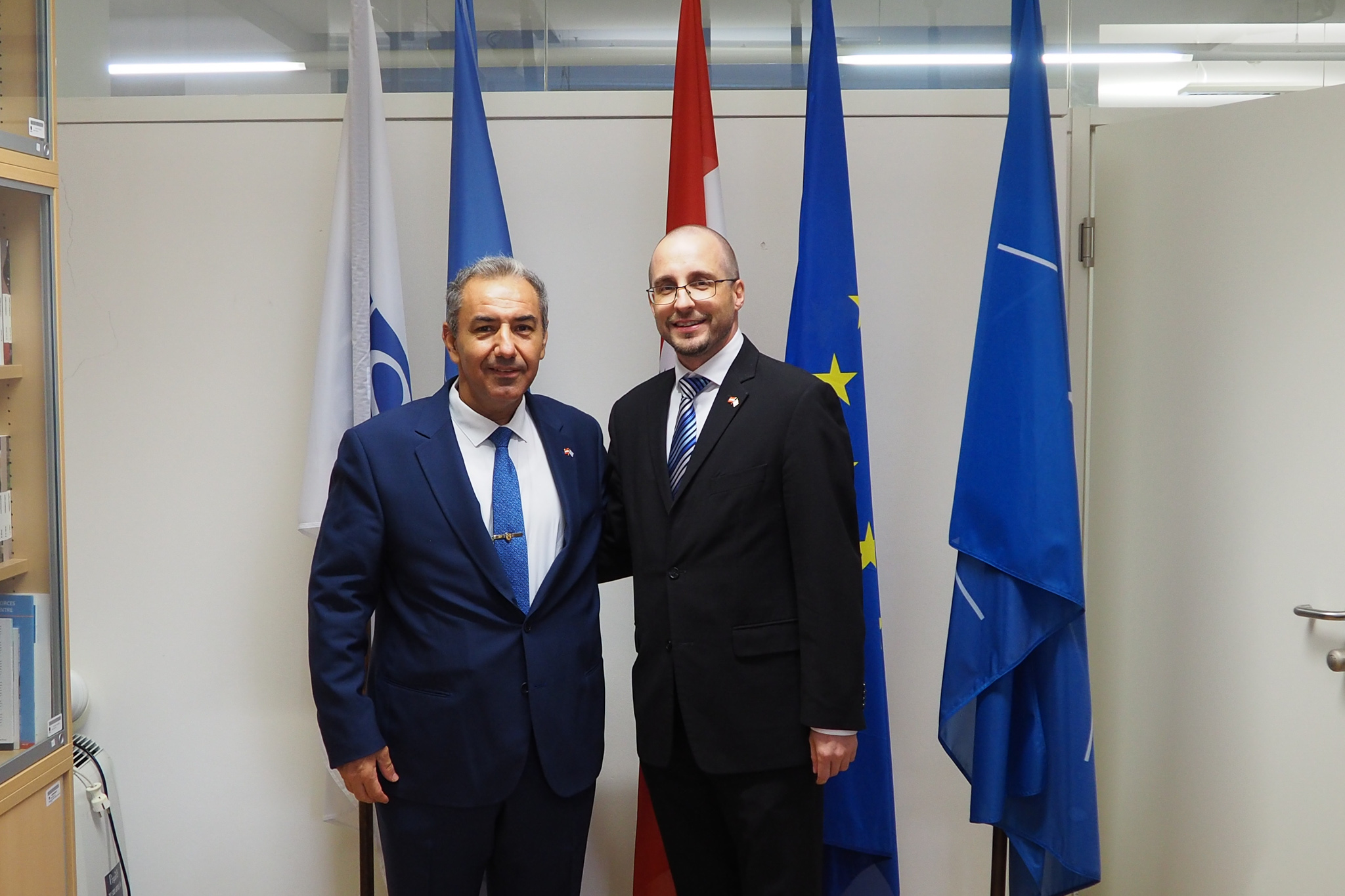
In parallel with the work of the 2nd Workshop of Experts, the General Director of National Defence Policy and International Relations, of the Ministry of National Defence, Dr. Konstantinos Balomenos and his Austrian counterpart Dr. Arnold Kammel had bilateral consultations.
In particular, they exchanged views on the situation in Ukraine and the role of the European Union and NATO in ending the war, the security environment in the Western Balkans and Southeastern Mediterranean, Turkey’s destabilising role, the energy crisis, the effects of climate change and the role of the Armed Forces in their response, as well as the further strengthening of Greece-Austrian bilateral relations in the defence sector.
On the evening of September, 29 an official dinner took place in honor of the Greek delegation.
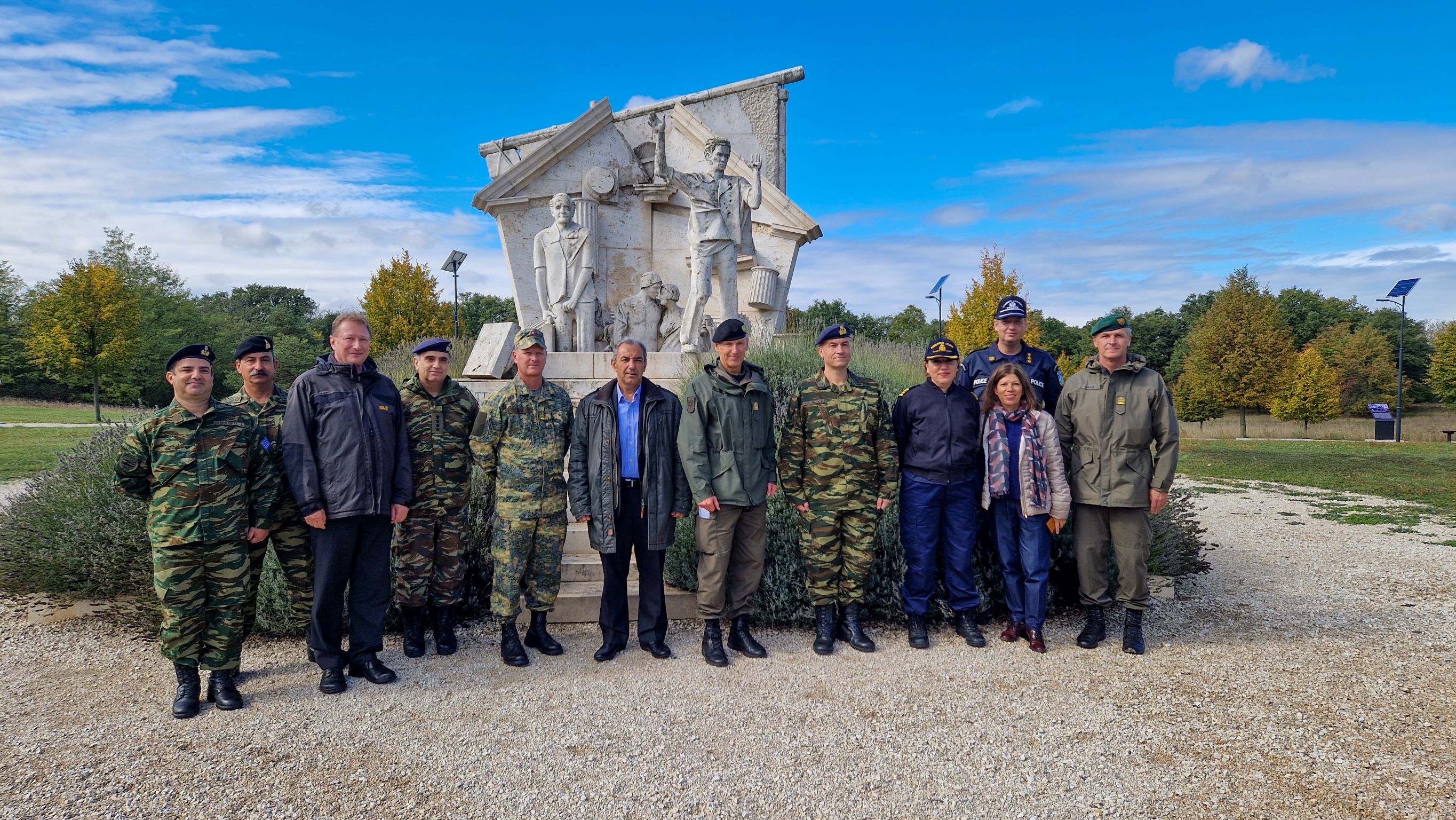
On Friday, September 30, delegations of the two General Directorates, together with migration experts, visited the Austrian Border Security Police Headquarters at MARTINSKASERNE camp in Eisenstadt area and the Austrian – Hungarian Border Control Centre, in order to be informed by the relevant staff, and to gain a full picture of the current situation in the operational field.
It should be noted that this initiative will be concluded with the organisation of an International Conference in Vienna in December 2022, in order to present the conclusions of the two workshops and then to made them public both in the Ministries of Defence of the two countries and to our partners in the European Union.