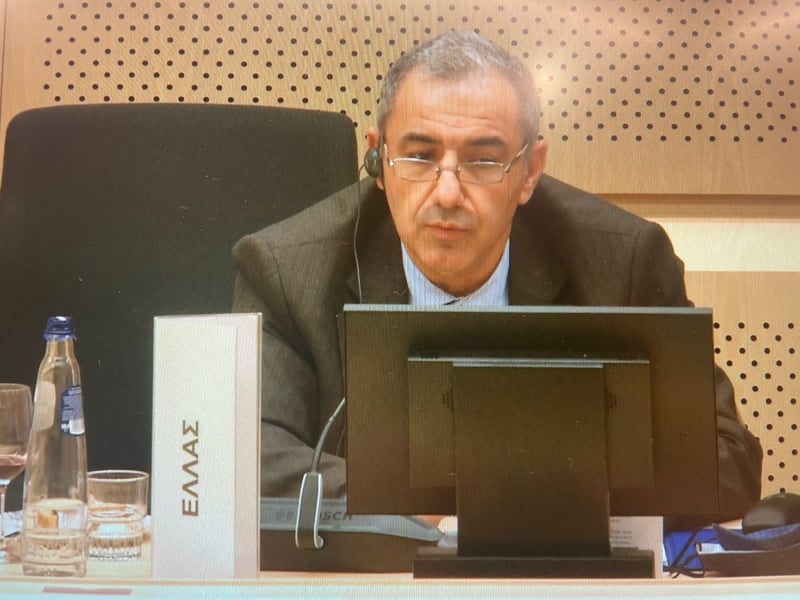
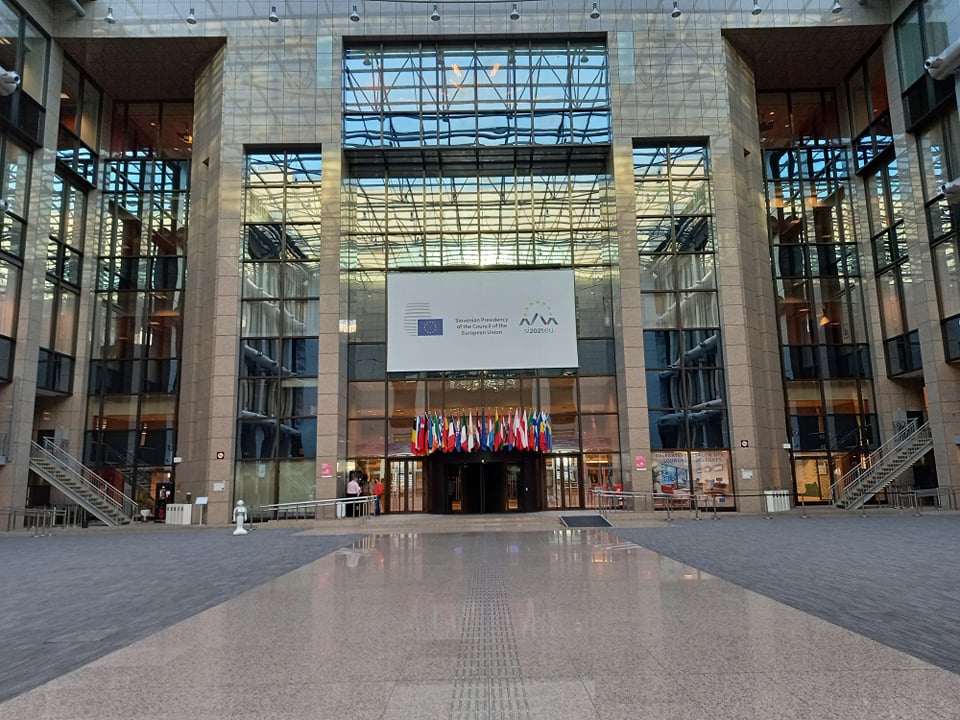
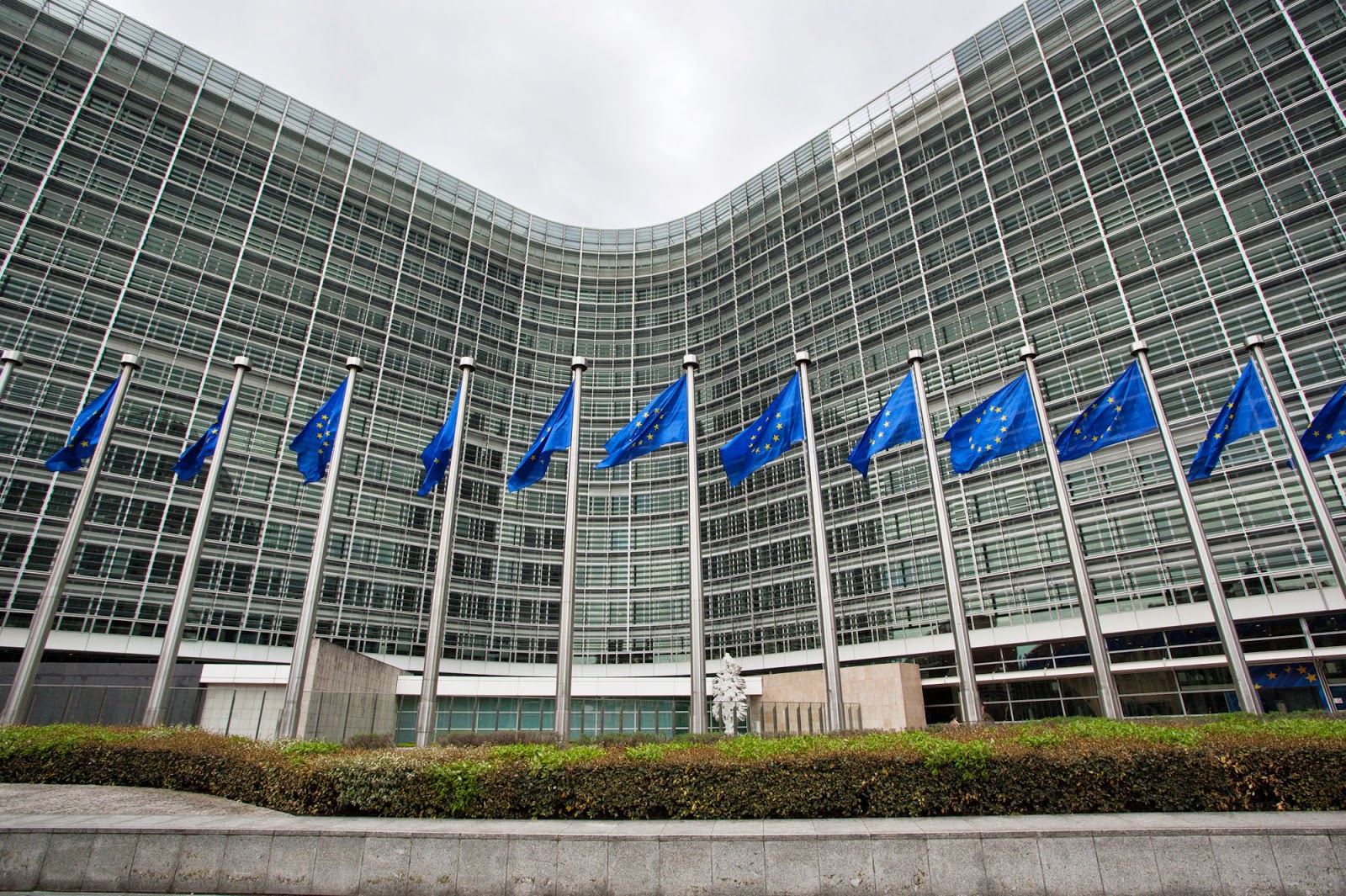
The General Director of National Defence Policy and International Relations Dr. Konstantinos Balomenos participated in the European Union (EU) Defence Policy Directors’ Meeting held in Brussels on 2 December 2021. The focus of the debate was the main part of the Strategic Compass’ draft to be adopted by the EU Council in March. A Working lunch with NATO Deputy Secretary-General David van Weel examining emerging security challenges was also held, where EU cooperation with the Alliance was discussed.
During his speech, Dr Balomenos stressed the need to ensure robustness, speed and flexibility in order for the EU to carry out the full range of military tasks related to crisis management. In terms of the EU Rapid Deployment Capacity, he underlined the importance of achieving maximum preparedness through a clear command and control architecture and exercises based on operational scenarios.
He made clear that flexibility in the mandates of CSDP missions should in no way imply a change in the way decisions are taken or the fragmentation of related actions, stressing the importance of the unanimity rule and the role of the Council. In addition, he highlighted the need to seek common, innovative defence solutions to fill critical capability gaps, but also to ensure efficiency through increased economies of scale.
In the area of resilience, the General Director of National Defence Policy and International Relations called for a focus on countering hybrid threats, including disinformation and falsification of information by foreign actors. Specifically regarding the instrumentalisation of migration flows for political purposes, he spoke of the recent past, while calling for consideration to be given to a new regime of horizontal sanctions against actors responsible for such activities. He also stressed the importance to be attached to the Mutual Assistance Clause, a cornerstone of European Solidarity.
In the area of partnerships, he supported an EU-NATO cooperation that could be promoted through meaningful political consultations on questions of common concern and an enhanced political dialogue on issues of mutual interest, such as climate change, emerging and disruptive technologies and space security, which should be included in a possible Third Joint Declaration of the two organisations.
In addition, he underlined that achieving a common strategic culture requires understanding, respect and jointly addressing security concerns affecting all Member States, as they pose threats to the security of the EU as a whole.
Finally, at the joint EU-NATO working lunch, Dr Balomenos, referring to the significant impact of emerging and deterrent technologies on defence, supported the strengthening of synergies between the two organisations, exploiting the civil military cooperation and the dual use of technological development in order to maintain military advantage and technological leadership.