
The General Directorate of National Defence Policy and International Relations (GDNDPIR) of the Ministry of National Defence (MoD), during the two-day period of 2 and 3 November 2023, conducted actions to inform high-ranking NATO officials on the protection and resilience of Greece’s critical undersea infrastructure relating to energy and telecommunications.
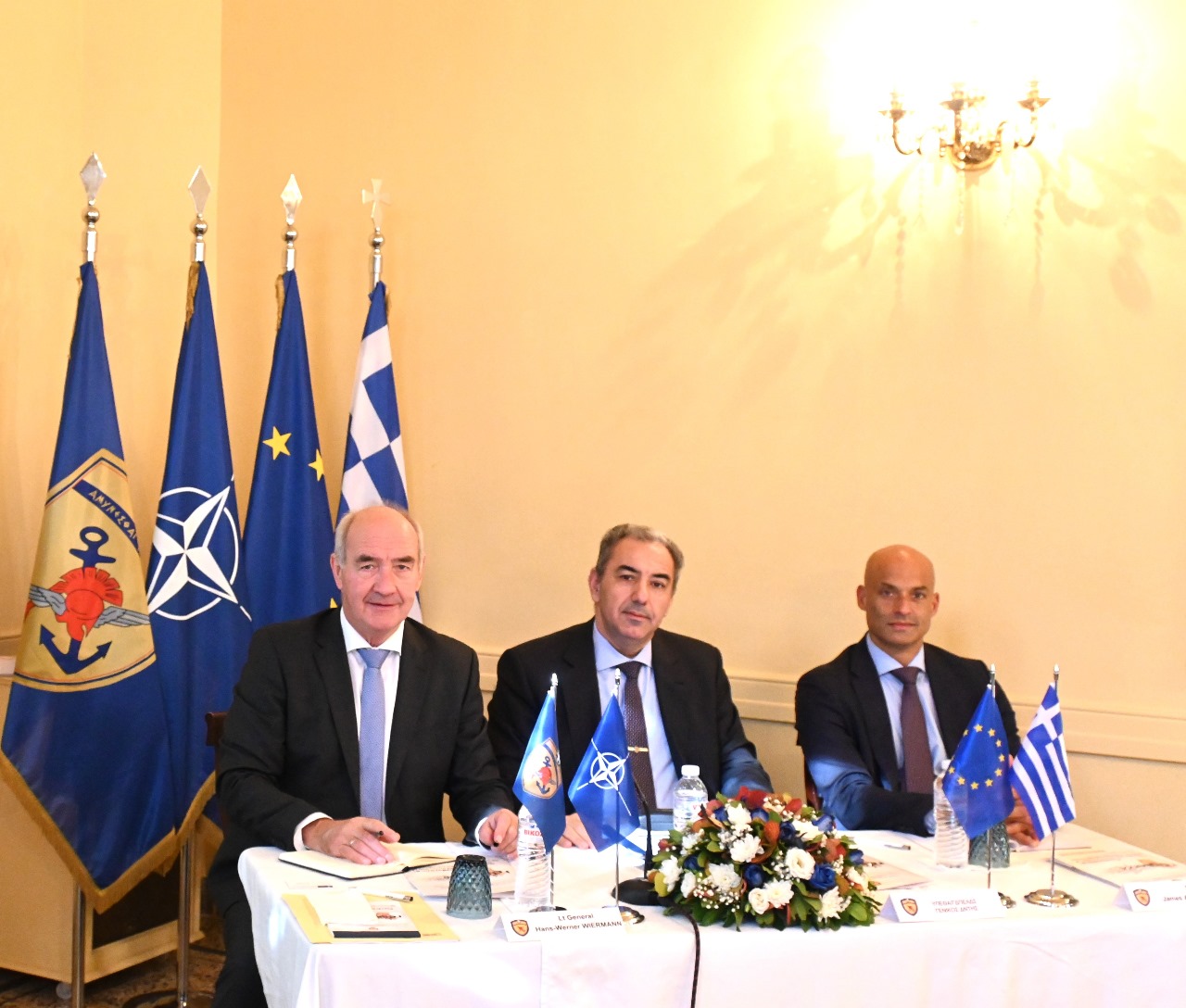
In particular, the General Director of GDNDPIR, Dr. Konstantinos Balomenos, as High-Level GR National Representative to the NATO Resilience Committee, responded to a request from the head of the NATO Headquarters Coordinating Body for Critical Undersea Infrastructure, General (ret.) Hans-Werner Wiermann, for face-to-face information to him and his associates James Appathurai (Deputy Assistant Secretary General for Political Affairs and Security Policy) and Chelsey Slack (Deputy Head, Cyber Defense Section, NATO Headquarters), on Greece’s national system and best practices in relation to critical undersea infrastructure.
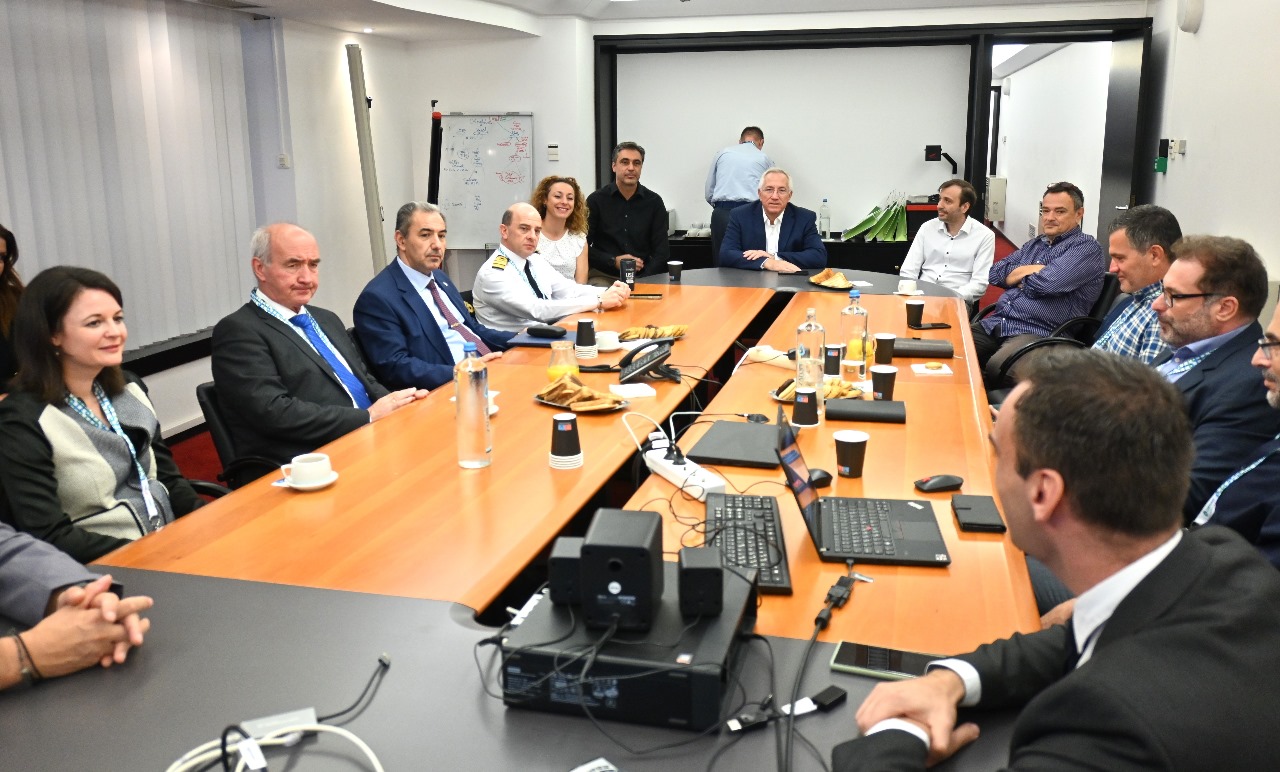
In this context, on Thursday 2 November 2023, GDNDPIR organised educational visits to the Hellenic Telecommunications Organization SA (OTE) and the Independent Power Transmission Operator (ADMIE), so that NATO officials could be informed by the Managers of these bodies about their responsibilities and mission, as well as their practices for the protection of their critical infrastructure and the methods they follow to strengthen their resilience.
In particular, the visit to OTE’s Administrative Palace included:
• Visit to the Security Operation Center and a brief presentation of its operation.
• Visit to the Situation Center and a brief presentation of its operation.
• Visit to the Network Operation Center and a brief presentation of its operation, and finally,
• A brief presentation of OTE Group and the company’s infrastructure, including undersea infrastructure.
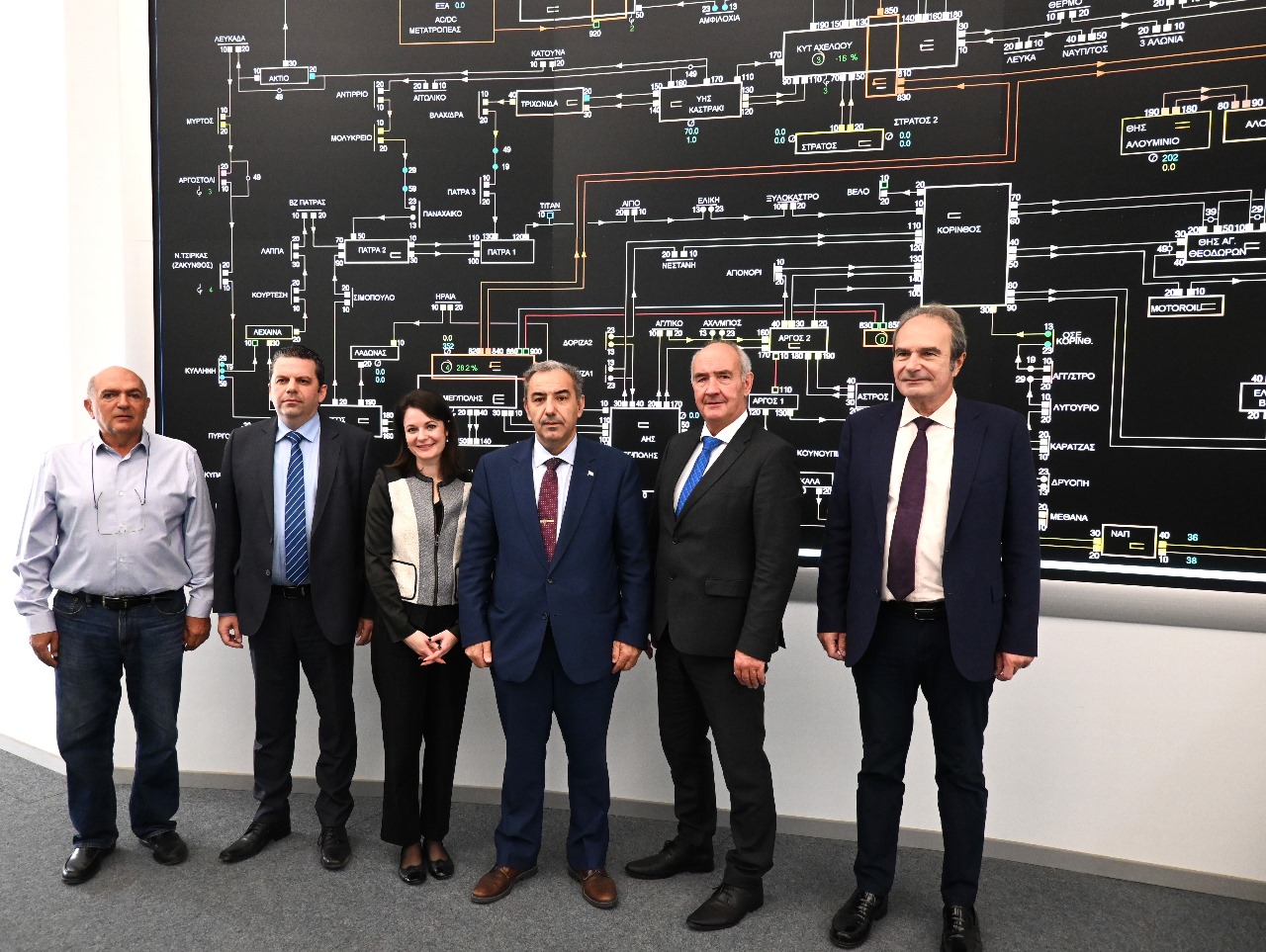
The visit to ADMIE included:
• Visit to the Energy Control Centre and a brief presentation of its operation.
• A brief presentation of ADMIE and the company’s infrastructure, including undersea infrastructure.
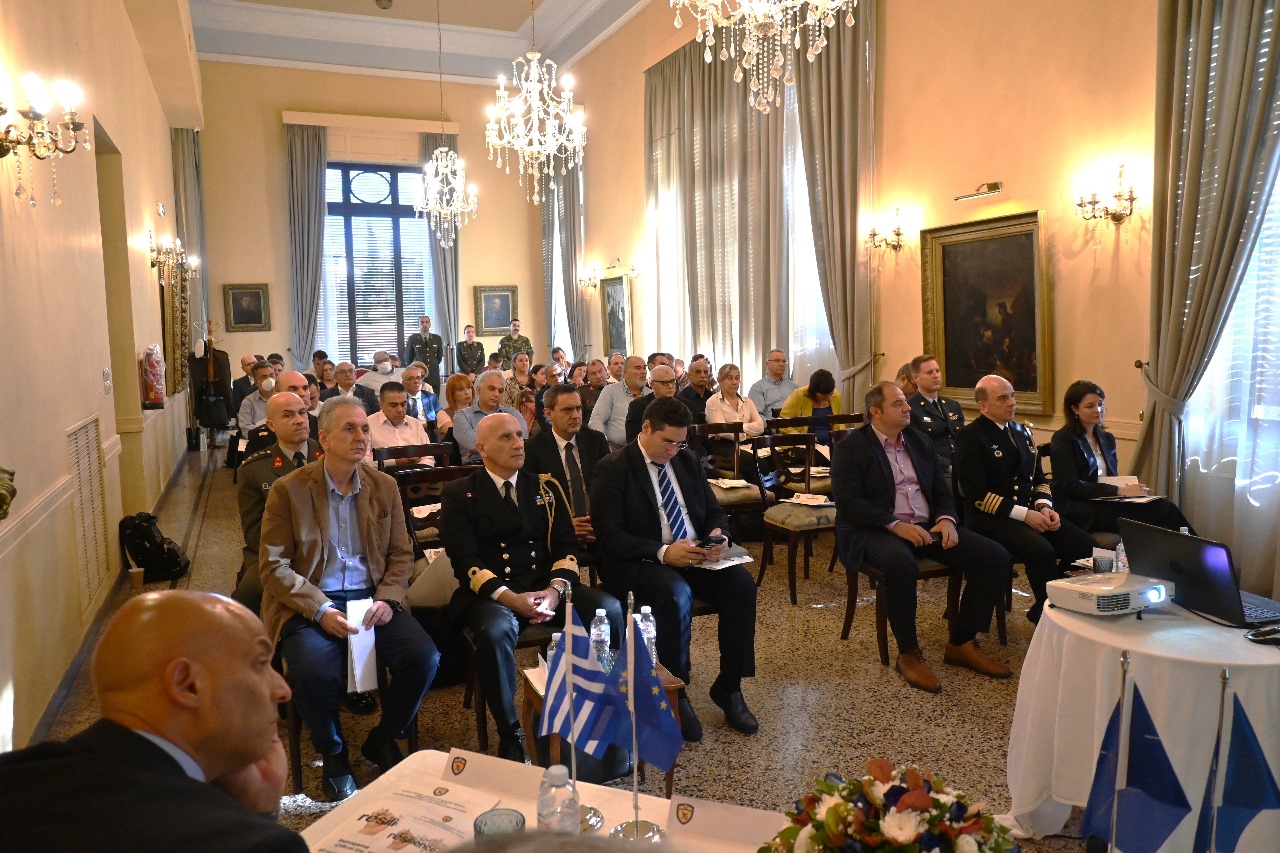
On Friday, 3 November 2023, GDNDPIR organised a workshop at the Officers’ Club on: “Management and Protection of Critical Undersea Infrastructure”, with the participation of senior executives from the armed forces, the public administration, as well as large private companies that manage critical infrastructure in the energy and telecommunications sectors.
The aim of the workshop was to inform the high-ranking NATO officials in a multi-faceted and comprehensive manner, but also to exchange views, lessons learned and best practices among the relevant bodies on critical undersea infrastructure in the field of energy and communications.
Throughout the proceedings of the workshop, the following were highlighted:
• The importance of awareness of the current situation within the country and within the NATO Alliance;
• Our national perspectives on the safety of critical undersea infrastructure in the Aegean and Mediterranean region, and
• The need for collective resilience within the Alliance, which requires national resilience, in order to identify and mitigate vulnerabilities and dependencies of critical infrastructure.
At the end of the proceedings, the General Director of National Defence Policy and International Relations of the Ministry of National Defence, Dr. Konstantinos Balomenos, presented the conclusions of the Conference. In particular, he stressed the need for:
• Strengthening the dialogue on resilience between cyber, energy, telecommunications, shipping, and between the International Military Staff of NATO and the Military Staff of the Hellenic Ministry of National Defence, with a view to:
◦ Better understanding the procedures and tools available to strengthen national and allied resilience.
◦ Analysing the lessons learned from the war in Ukraine in relation to the resilience of critical infrastructure.
◦ Further analysing and assessing of the impact on the security of critical undersea infrastructure, supply chains and new technologies.
• A direct involvement of high-ranking Greek and NATO officials, in case of detection of a major risk for some critical undersea infrastructure or significant change in the security framework.
• Establishing regular assessments of challenges and threats to critical infrastructure.
• Elaborating synergies between the EU and NATO to exploit common policies and procedures to protect critical infrastructure.
• Conducting inter-staff discussions based on specific scenarios to better understand challenges, interdependencies and cascade effects on critical infrastructure.
• Raising awareness of the implications for national and allied security in the case of critical undersea infrastructure which are controlled by entities of strategic competitors, as well as the potential risks associated with suppliers from these countries.
• Examining opportunities for an exchange of views on how to improve the monitoring and protection of critical infrastructure in the maritime domain by competent authorities and discussing the way of improving situational awareness in the marine environment.
• Promoting the exchange of best practices between civilian and military actors on the implementation of relevant cyber-related policies and legislation, including relevant legislation aimed at strengthening the digital resilience of critical undersea infrastructure with the view to building more resilient armed forces.
• Promoting the commitment between NATO and private sector actors to the security of critical infrastructure.
• Adopting the Whole of Government Approach to effectively exploit all national forces (state-private actors, social actors, non-governmental organisations, volunteers, etc.) and achieve the rational management of available tangible and intangible national resources to ensure the protection of critical national infrastructure and enhance national resilience.