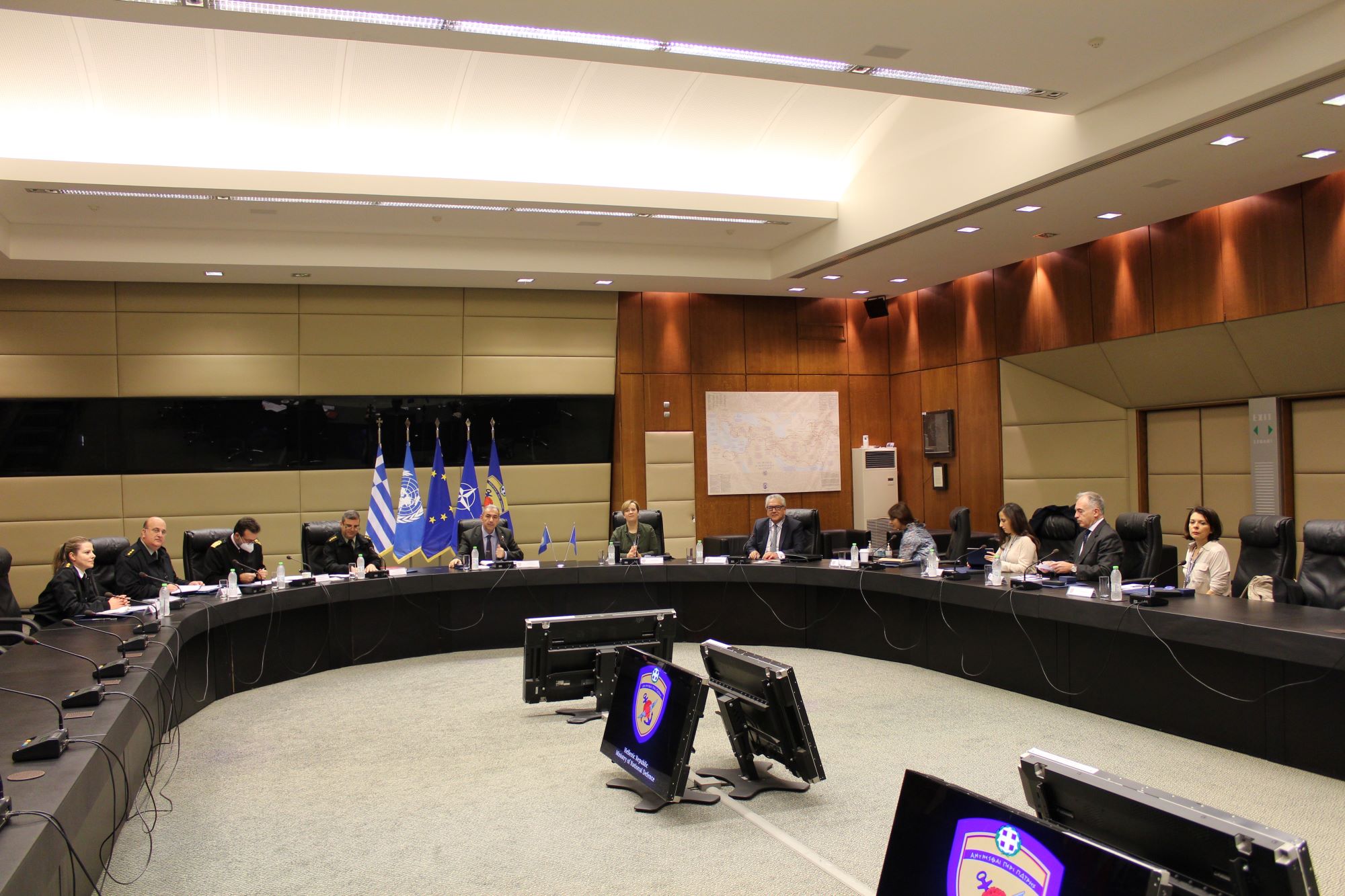
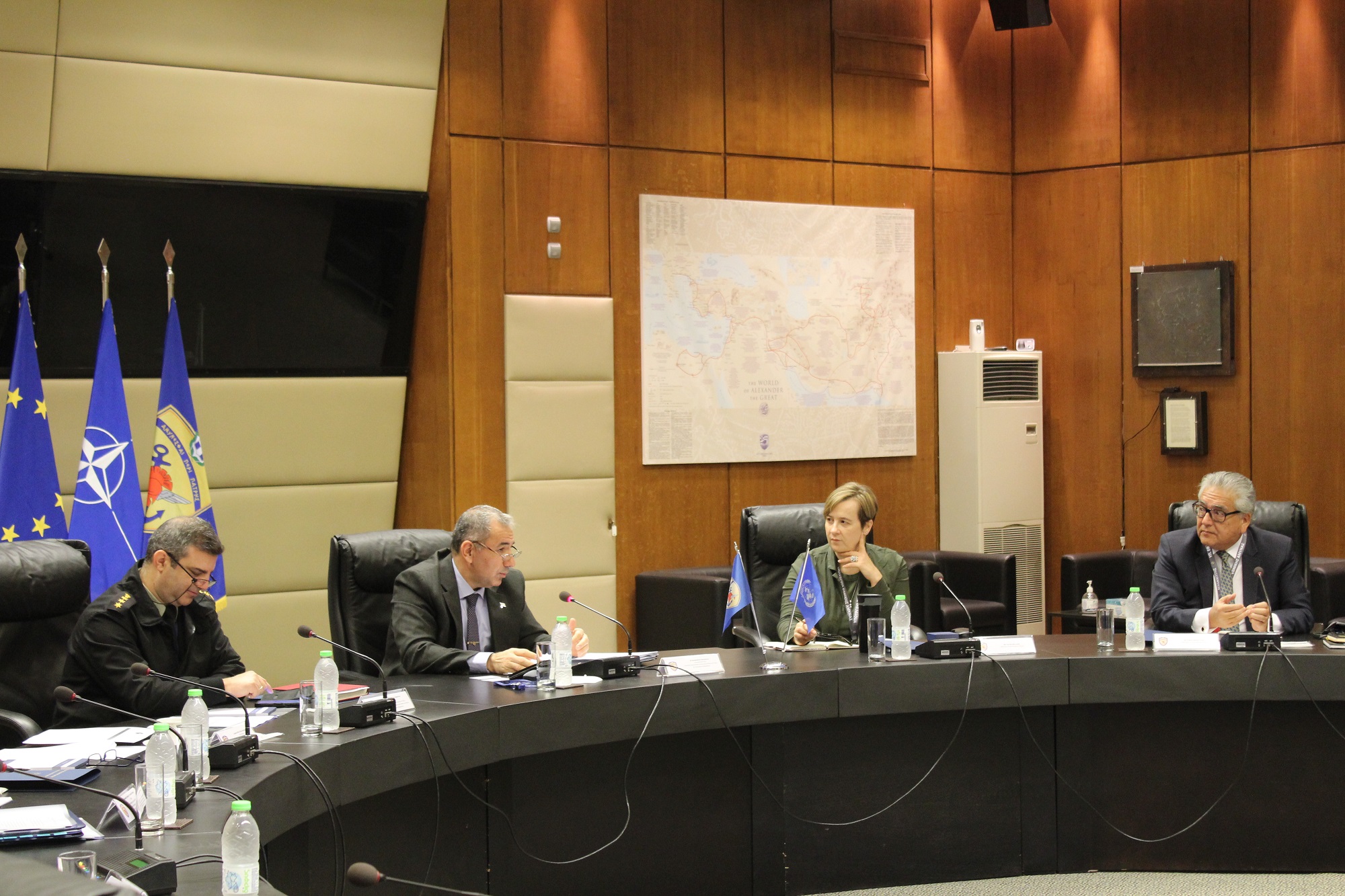
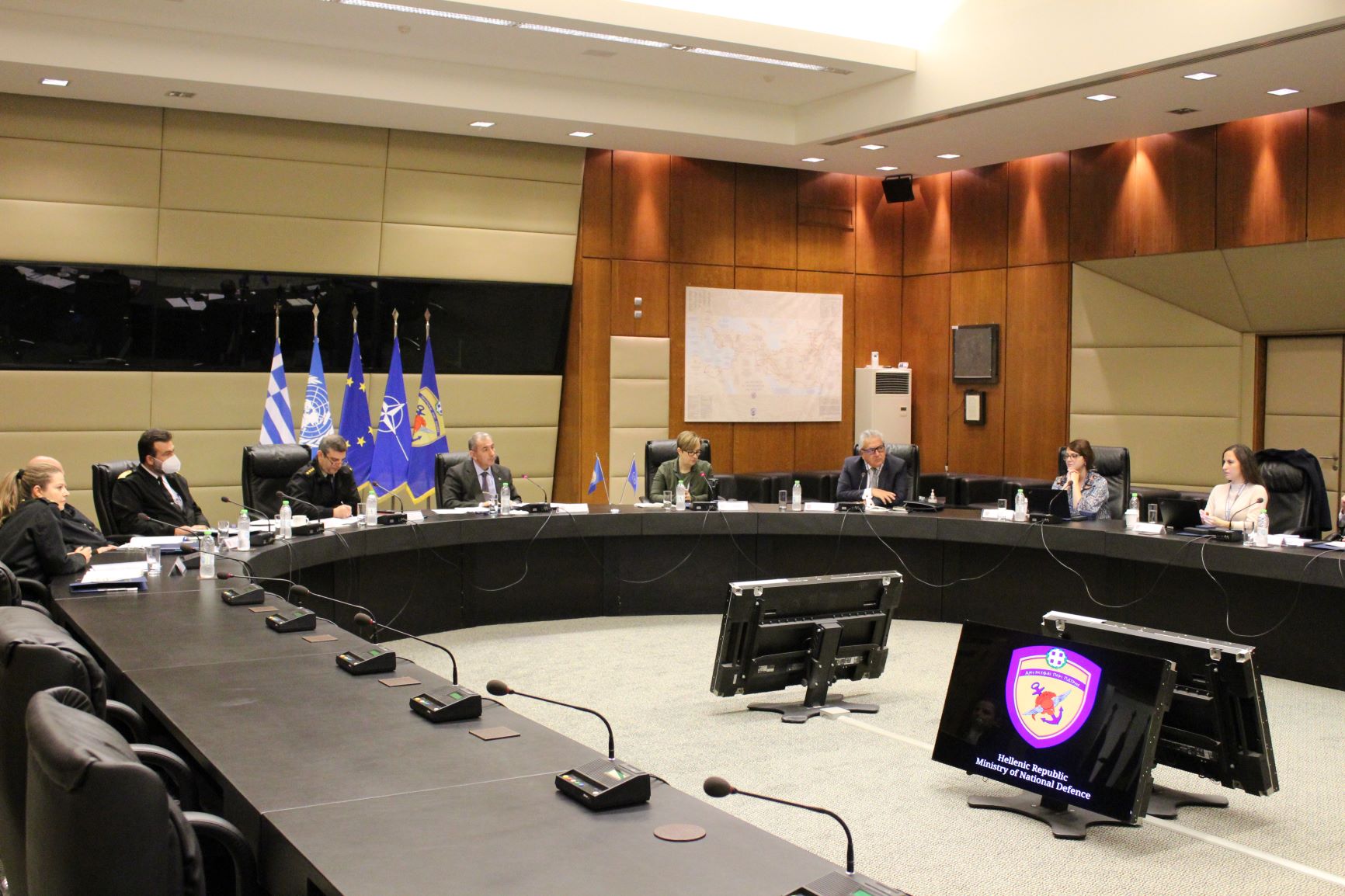
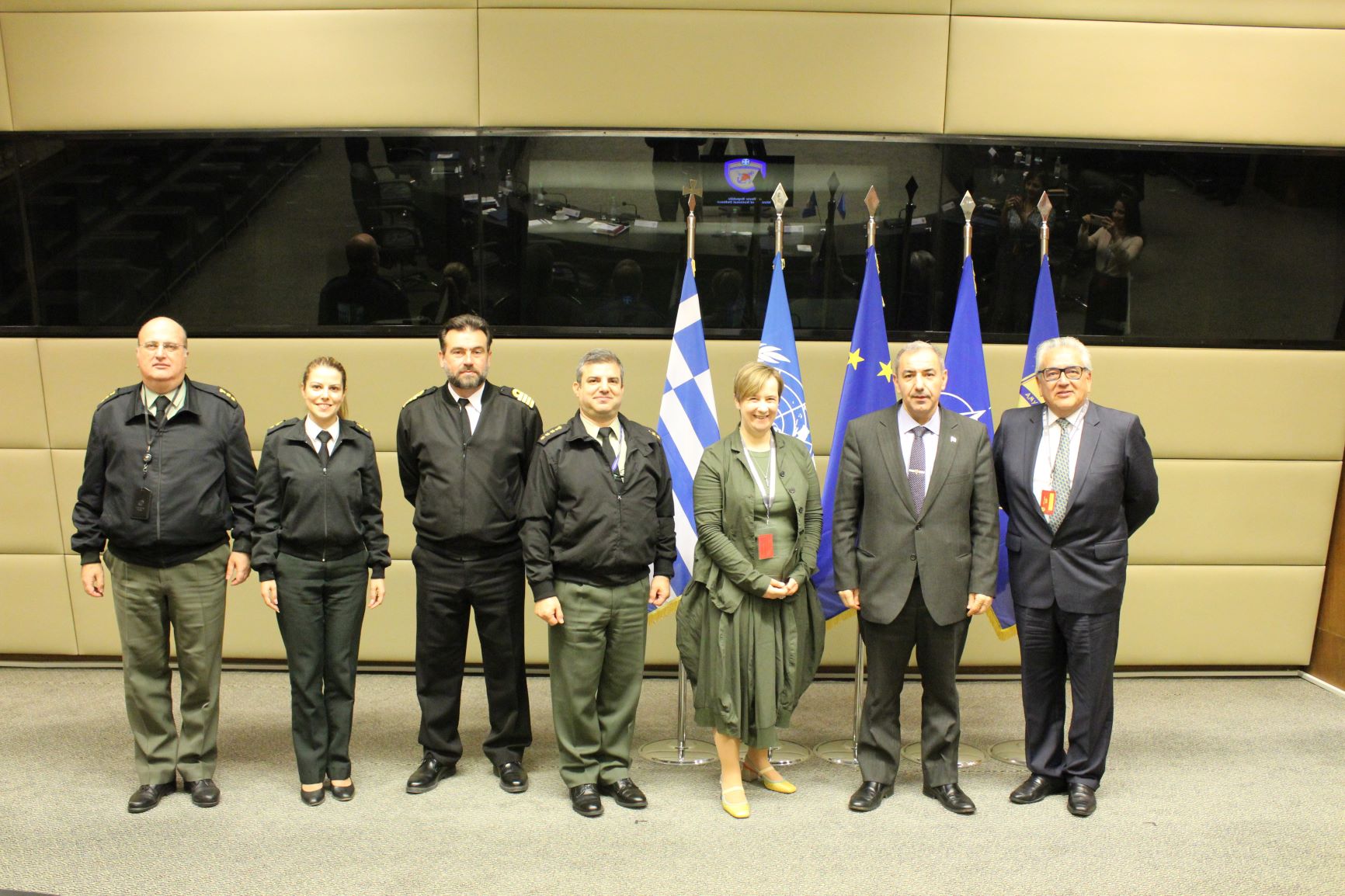
The General Director of National Defence Policy and International Relations of the Hellenic Ministry of National Defence Dr. Konstantinos Balomenos, on Wednesday 14 December 2022, held a meeting at the Ministry of National Defence with the Working Group of the UN Human Rights Council on the use of mercenaries as a means of violating human rights.
That meeting took place in the context of a visit performed by that Working Group to Greece in order to strengthen Greece’s cooperation with the UN on human rights protection issues.
During the meeting, Dr. Konstantinos Balomenos expressed Greece’s dedication to the universal ideals of the UN and its support for its three main pillars: peace and security, development and human rights. At the same time, he pointed out that our country is actively involved in the work of the United Nations and consistently promotes its initiatives for the adoption of democratic governance principles, the peaceful resolution of disputes, strict compliance with the rules of international law and full respect for human rights.
Also, Dr. Balomenos briefed the UN Working Group on the legal framework governing the structure of the Greek Armed Forces, as well as on the training provided in the fields of International Humanitarian Law and Human Rights Law. In this context, it was also stressed that the Greek Armed Forces do not use mercenaries and personnel of private military service companies to fulfil their mission.
In addition, the General Director, Dr. Konstantinos Balomenos, presented Greece’s active role in the wider Mediterranean and Balkan region in implementing the rules of international law and establishing peace in the region, and at the same time he demonstrated the destabilising role of forces, such as Türkiye, which use mercenaries to achieve their geopolitical aspirations and foreign policy objectives.
In this light, Greece expressed its strong interest in international developments regarding the use of mercenaries and private companies providing military and security services and highlighted its concern about their action, as they contribute to the destabilisation of the wider region and endanger fundamental human rights.
In addition, during the workshop, Dr. Konstantinos Balomenos and staff of the General Directorate of National Defence Policy and International Relations, and of the Hellenic Army General Staff, were briefed by the UN Working Group on the action of mercenaries in various regions around the world and answered critical questions about how Greece understands the actions of the mercenaries and what initiatives it is undertaking to address them.
The Greek delegation then focused on current developments in Libya and highlighted the challenges faced by the countries involved in the execution of the Operation “IRINI” to control the arms embargo on Libya, in the context of UN Security Council Resolution 2292. At this point, Dr. Konstantinos Balomenos referred to Türkiye’s problematic stance, which undermines operation “IRINI”, since it refuses to consent to the request of the forces participating in the Operation to inspect the Turkish vessels.
Members of the UN Working Group shared these concerns, noting that they would reflect them in their reports, and referred to the effort being made to the international community to criminalise the recruitment, use, financing and training of mercenaries, as well as to create a framework of rules and appropriate practices regarding the use of private military and security services companies.
The meeting proved particularly beneficial, as the two sides had the opportunity to exchange views and concerns on a crucial issue and to make proposals to address it both at operational and political level.
Finally, the members of the UN Working Group noted Greece’s prominent role in maintaining peace and security in the wider region, as well as its longstanding commitment to international law.