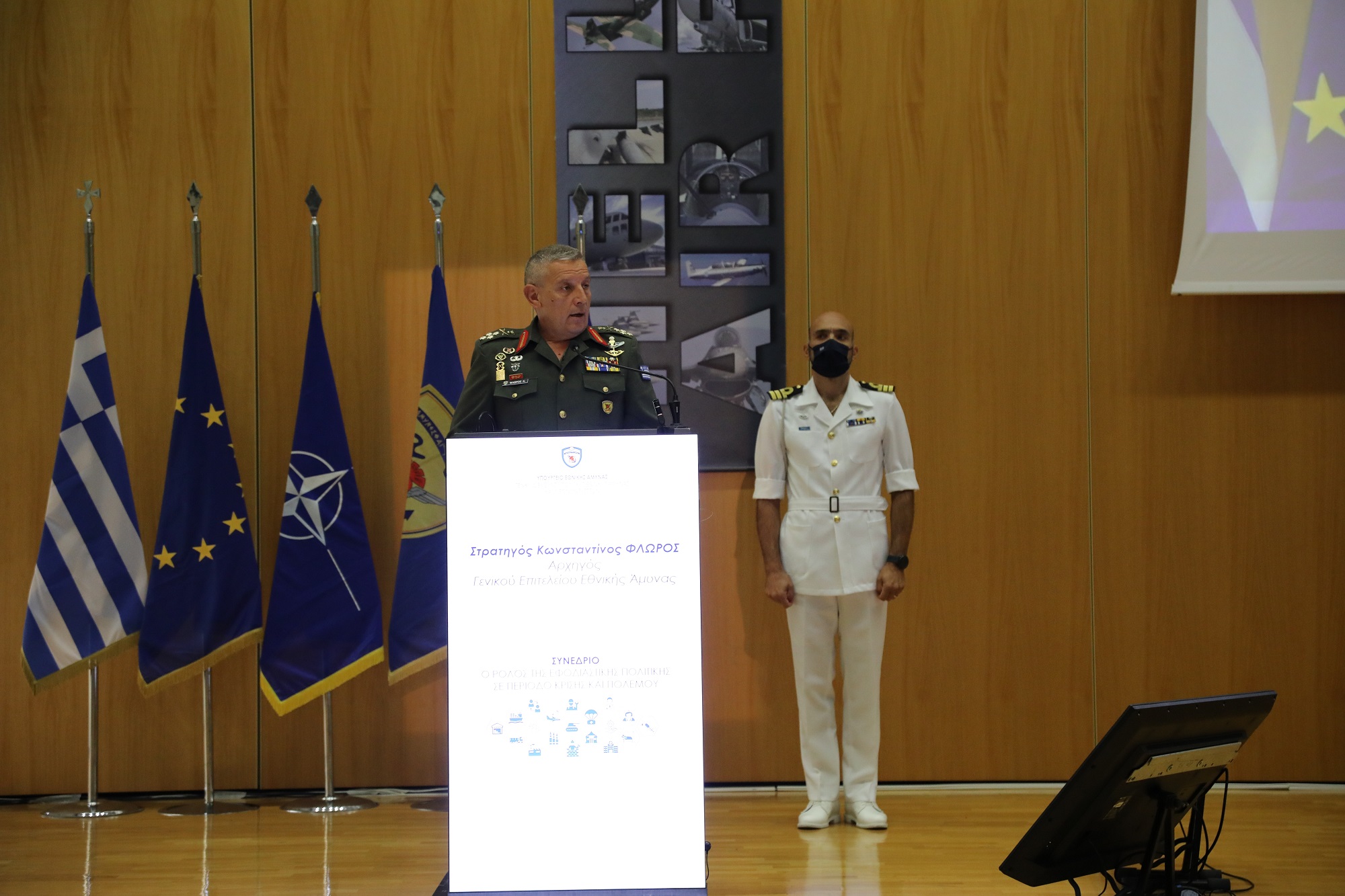
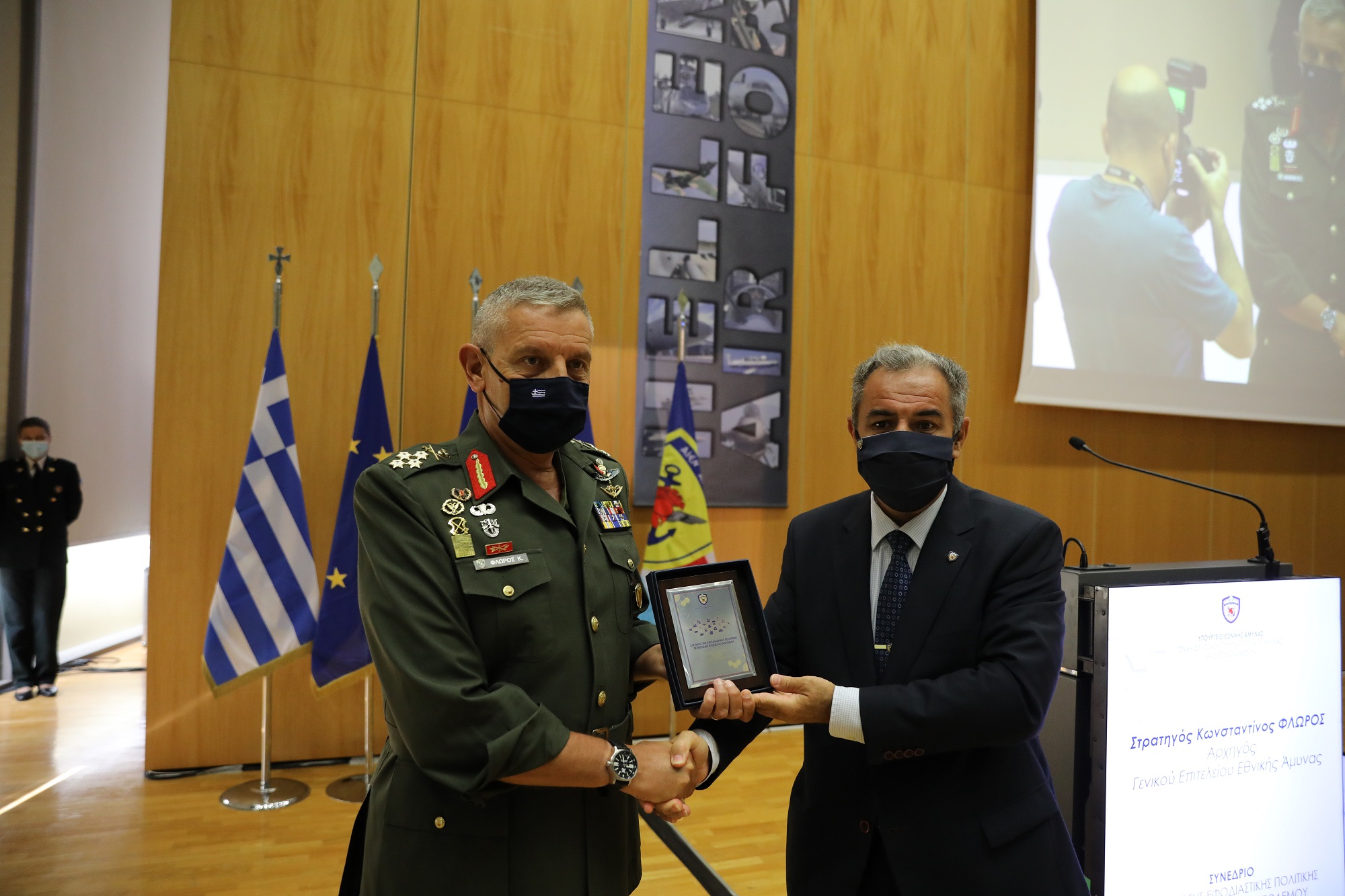
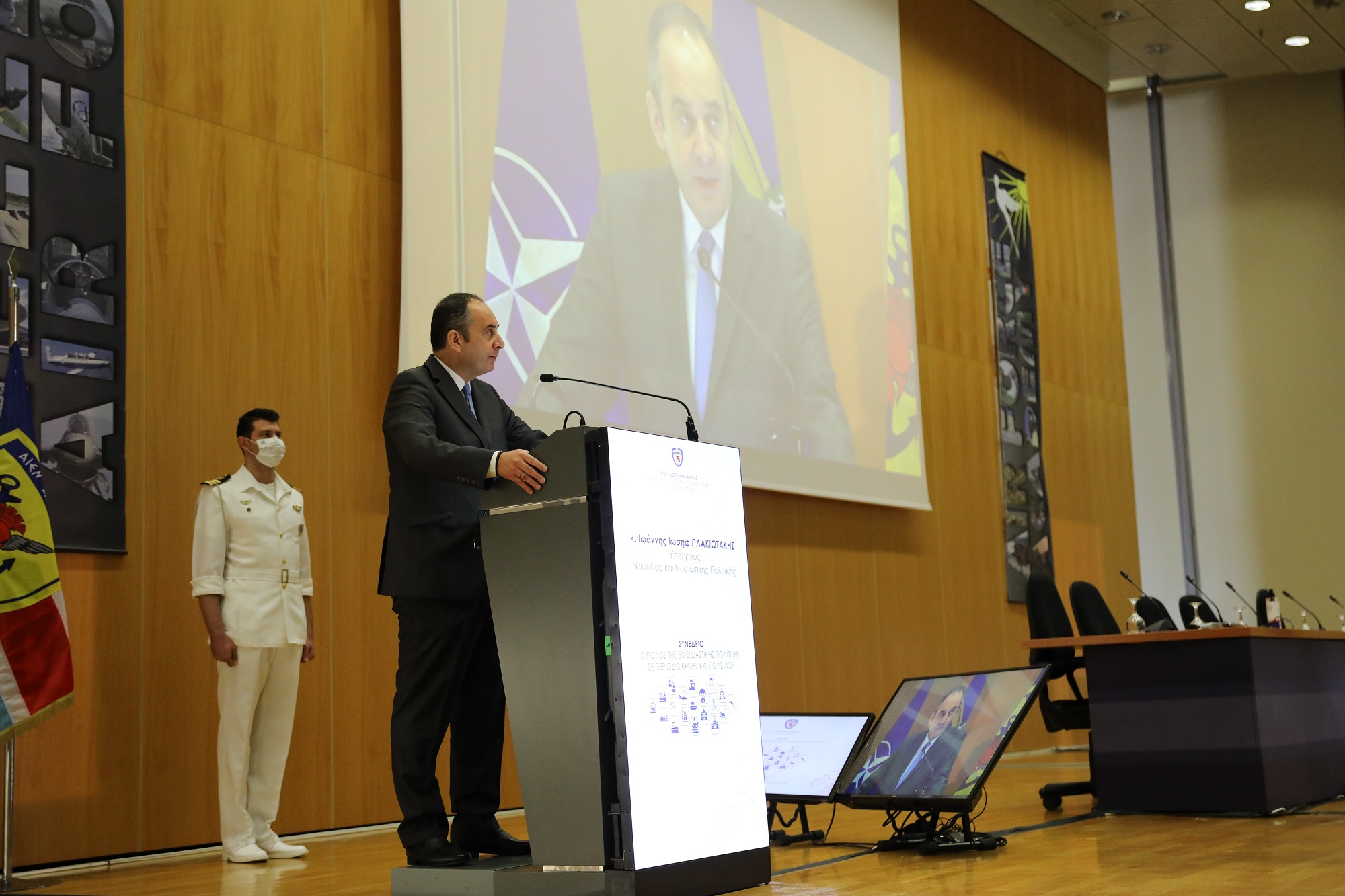
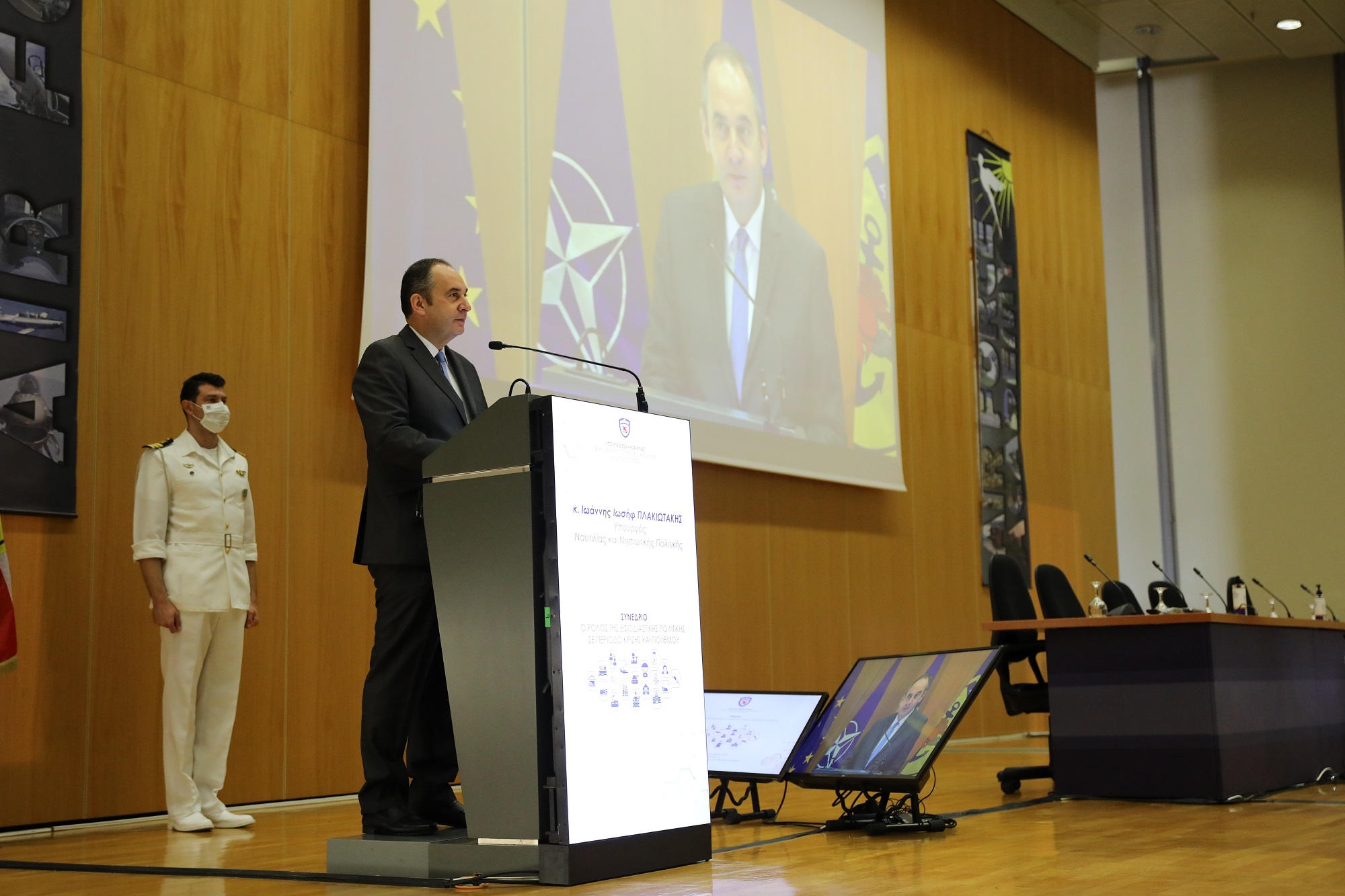
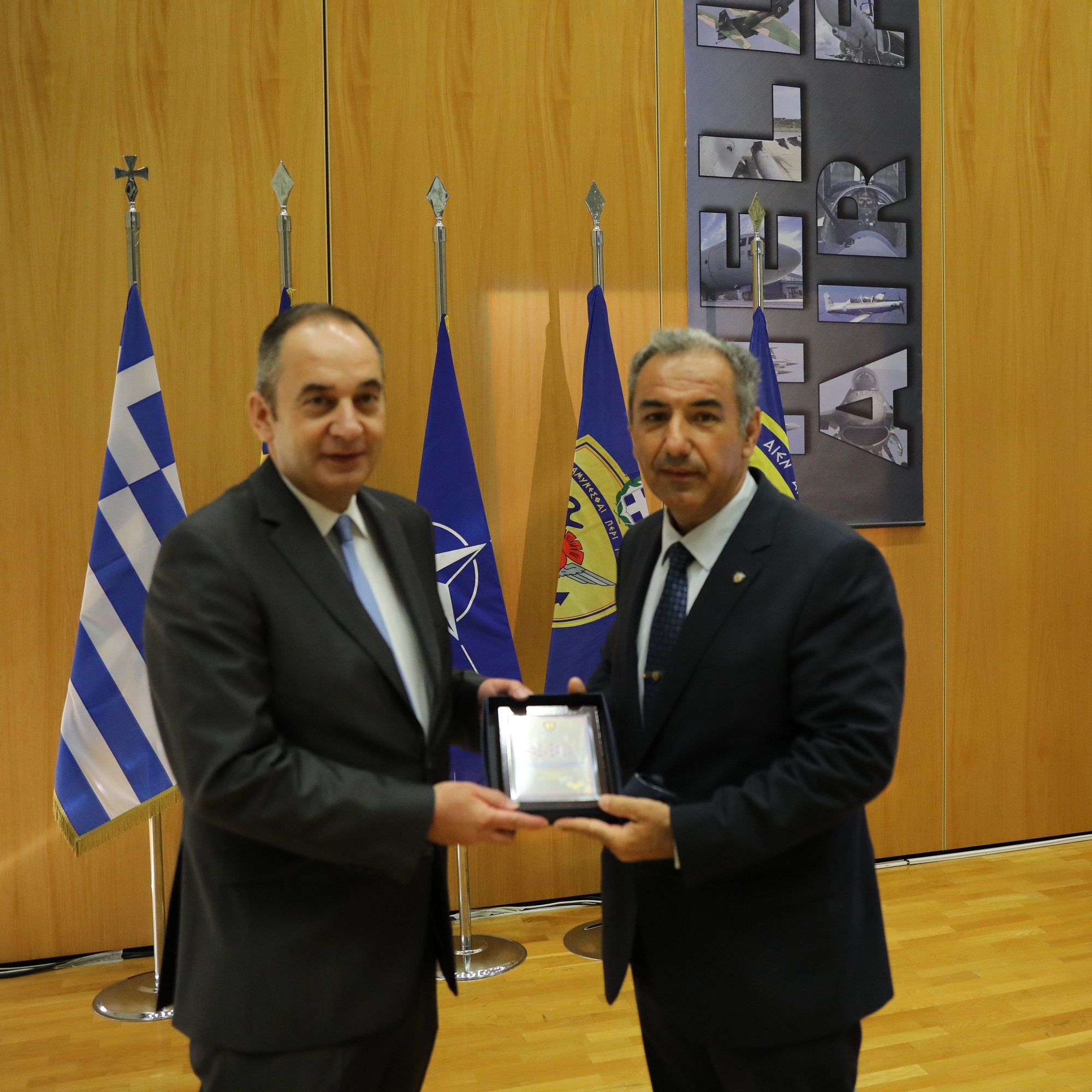
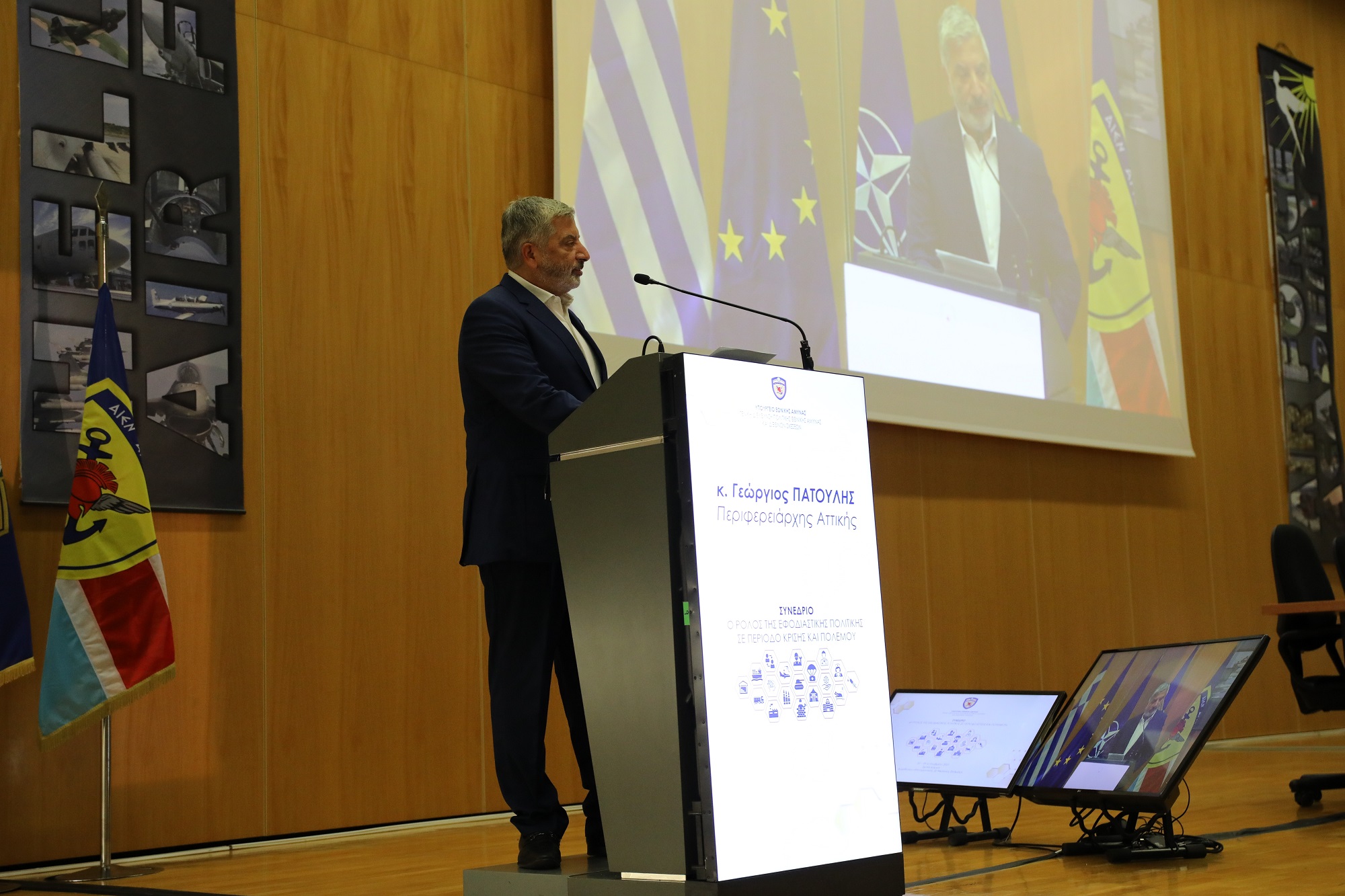
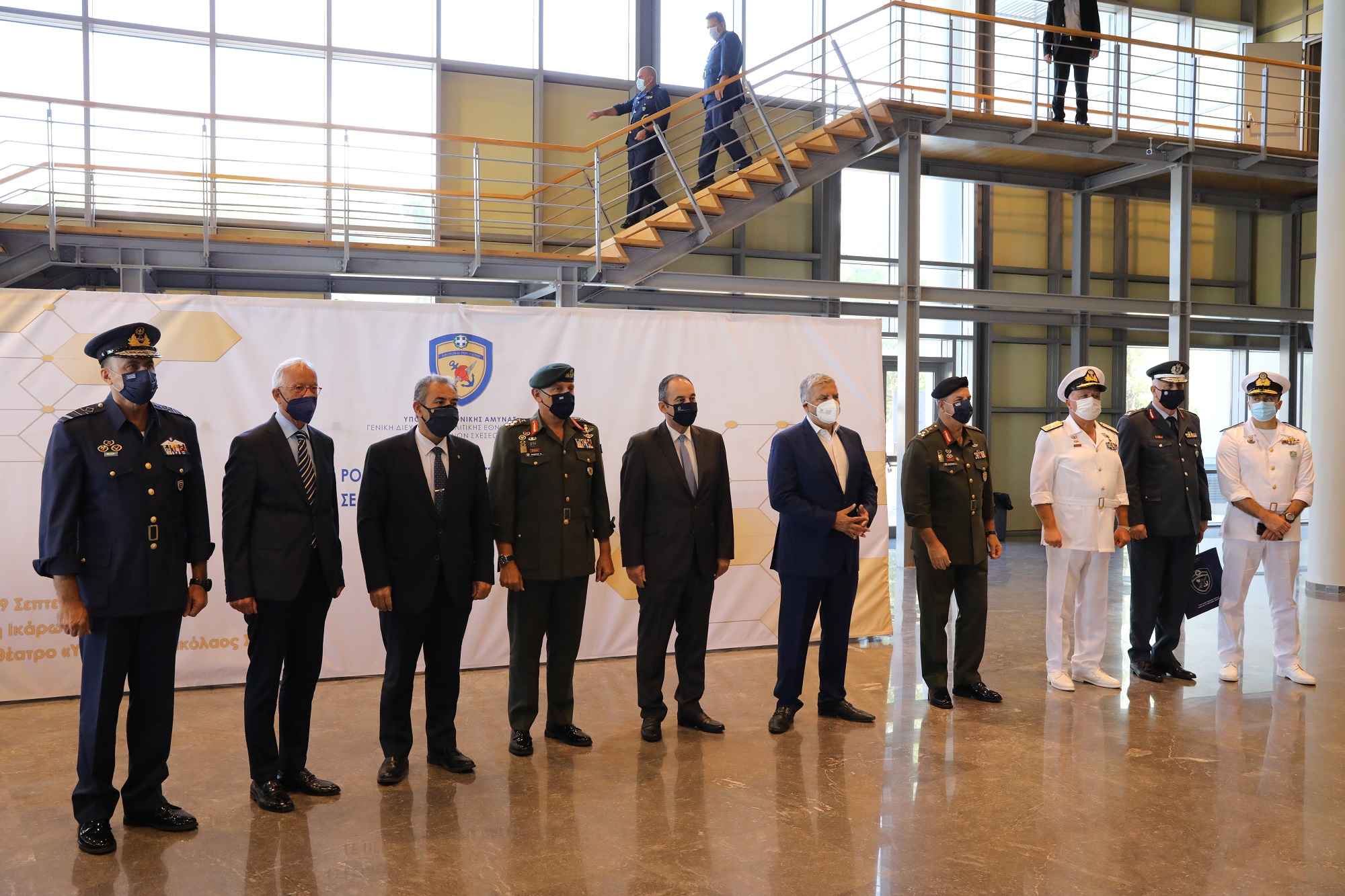
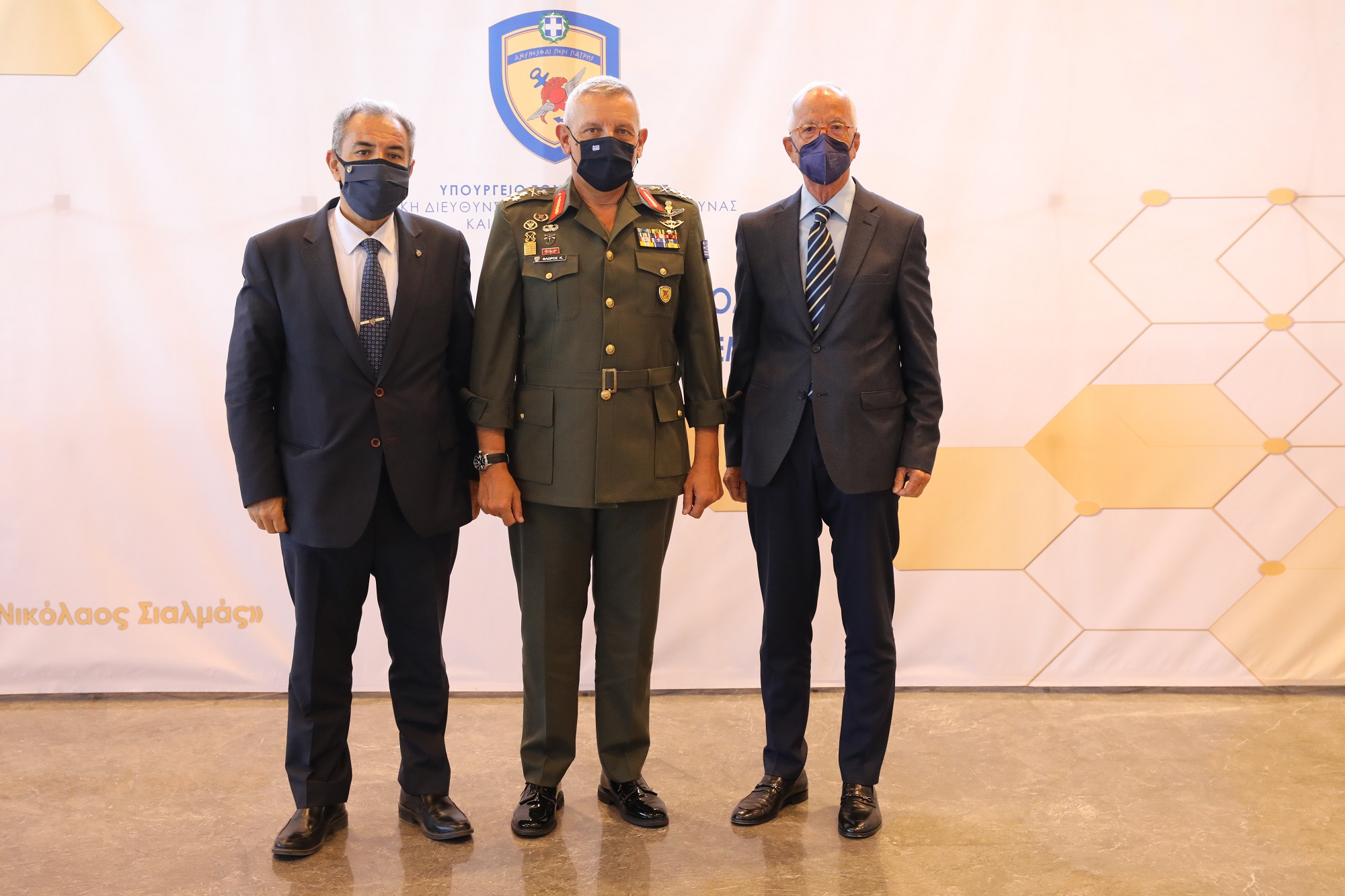
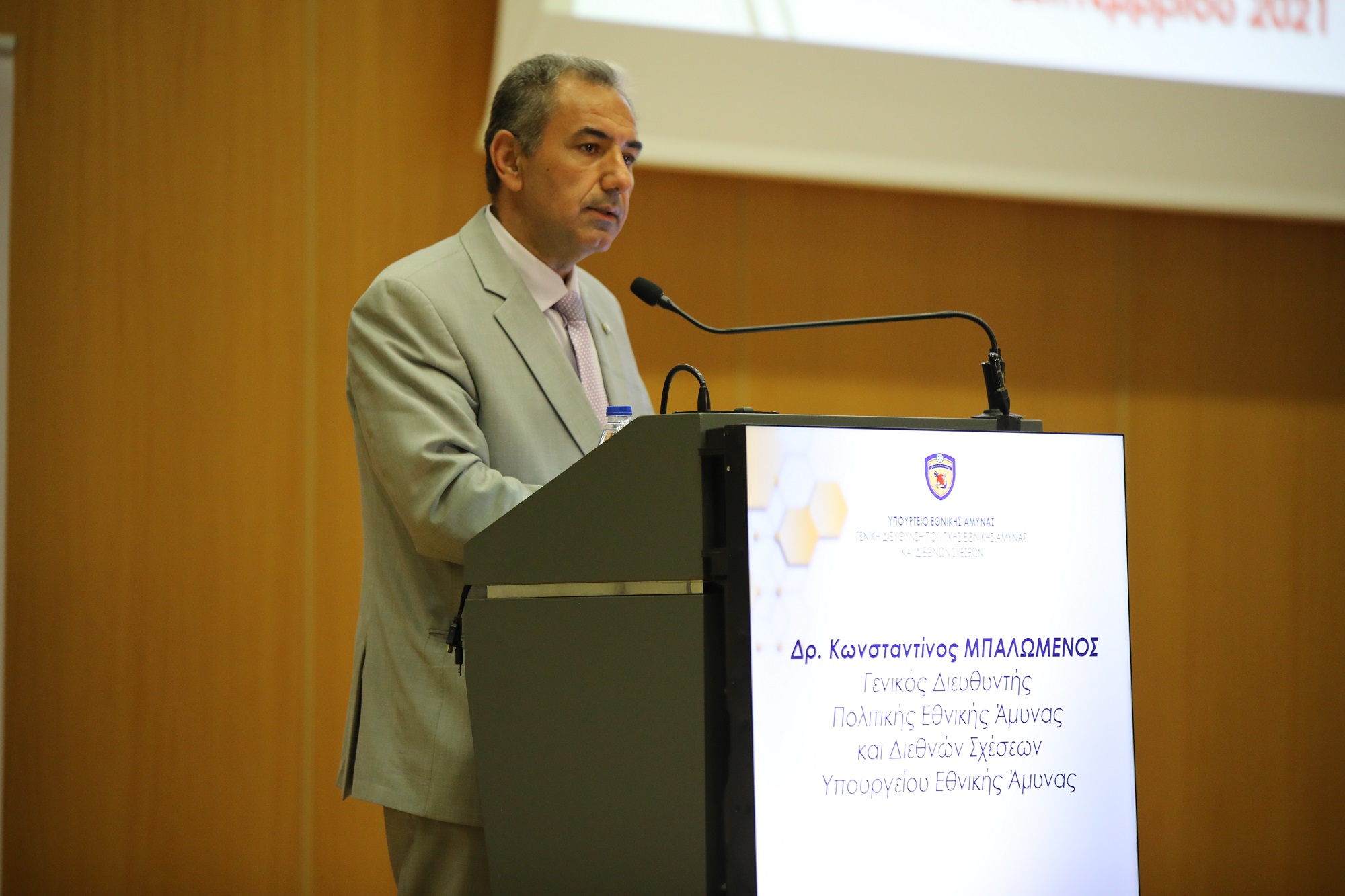
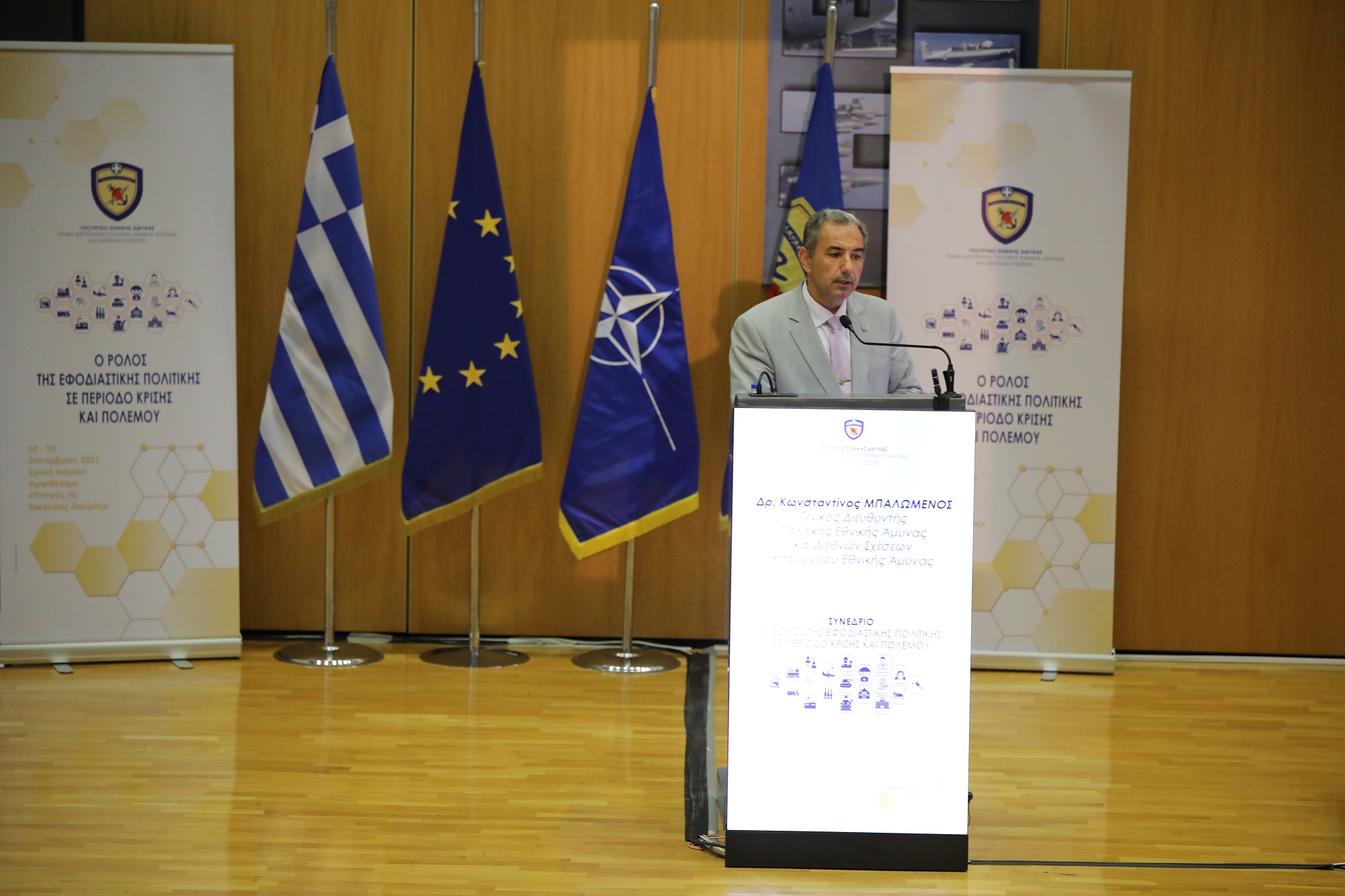
The work of the Conference on Supply Policy in crisis situation and war, organised by the General Directorate of National Defence Policy and International Relations of the Hellenic Ministry of National Defence, was successfully completed, having taken place from 07 to 09 September 2021, at the Hellenic Air Force Academy in Tatoi.
Participants in this Conference were higher and senior officers of the Armed Forces and Security Corps, high-ranking public sector officials and relevant service actors at the level of Ministries and Regions, who manage crisis and civil protection issues, and participate in the decision-making of the state apparatus.
The purpose of the Conference organisers was to:
1. Inform participants of the role of logistics policy in times of crisis and war, given that emergencies and unexpected events may affect some, or all, of the state’s infrastructure and disrupt its smooth functioning.
2. Prepare trainees to be able to address and manage, as co-responsible, challenges arising in logistics issues during a crisis or during military operations.
3. Provide understanding to the participants for the necessity of adopting the “Whole of the Government Approach” model in crisis management or warfare.
The Conference was closed by the General Director of National Defence Policy and International Relations of the Ministry of National Defence, Dr. Konstantinos P. Balomenos, who in addition to his speech on: “The Resilience of the Supply Chain during the Crisis or War Period”, presented the conclusions of the Conference.
In particular, some of the most important conclusions drawn from the Conference’s proceedings are:
1. The effective supply chain management in crisis management or the development of warfare operations requires using the ‘Whole of the Government Approach’ model.
2. Given that problems (lack of stocks in petroleum products and foodstuffs) have often been observed in the supply chain of border and island territory parts, it is necessary to create a common inter-branch (for the Armed Forces) and interministerial logistics infrastructure that will provide the country’s overall logistical image, both during the period of peace and during the period of crisis and development of military operations.
3. It is necessary to promote civil-military cooperation both during the period of peace and during the period of crisis and development of military operations.
4. The resilience, self-sufficiency and autonomy of the state supply chain are crucial factors both in the peace period and during the period of crisis and development of military operations
5. Enhancing the resilience of the state supply chain requires preventive risk management and identification of supply chain vulnerabilities, the development of an advanced information management system, use of technology (cloud, Internet of things, 5G, etc.), development of an efficient command and use of skilled and trained personnel.